
The Maillard Reaction Explained: Why Your Steak Tastes Amazing
Let’s be real, the best part of cooking a steak is that first moment it hits a hot pan and starts making that loud, satisfying sizzle. The science behind that magic is called the Maillard reaction, and once you understand it, you’ll never look at a browned crust the same way again.
First, here’s the simple definition. The Maillard reaction is a set of chemical reactions between sugars and proteins (amino acids) that happens when food is heated. It’s what gives seared steak its brown crust, toasted bread its deep flavor, and roasted coffee its bold aroma. It’s named after French chemist Louis-Camille Maillard, who described it back in 1912, which means people have been enjoying the results long before anyone could pronounce “Maillard” with confidence.
Next, let’s talk about how it actually works without turning this into a chemistry lecture. When you apply heat to food, the small sugars and amino acids start to react with each other. They break apart, rearrange, and recombine into lots of new compounds. Some of those compounds bring roasted, nutty, savory, “meaty” flavor notes. Others create aromas that hit your nose before your fork even moves. Then, as the reaction continues, it also forms brown pigment molecules called melanoidins, which is why your steak turns from gray to golden to deep brown. In other words: heat causes a flavor-and-smell makeover, and the crust is the proof.
Then comes the big question. Why does the Maillard reaction matter so much for taste, aroma, and texture? Flavor is not just what your tongue detects. It’s also what your nose picks up while you chew. The Maillard reaction creates a huge range of flavor and aroma molecules, which is why browned food tastes “deeper” than pale food. After that, texture joins in. A good sear gives you a thin, crisp surface that contrasts with a tender interior. That contrast is a big reason steak feels satisfying to eat. Nobody daydreams about “soft and gray” as a texture goal.
Now, here’s the part that helps you in real life: what you need to get Maillard to happen on your steak. First, you need heat. Not gentle warmth. Real heat. The reaction really kicks in around roughly 140–165°C on the surface of food. Next, you need the surface to be dry. If the steak is wet, the pan spends its energy boiling off water first, and boiling water tops out at 100°C. That’s steaming territory, not browning territory. So pat your steak dry like you mean it. After that, give it time. If you move it too soon, you interrupt browning before it builds.
Then, watch out for the common mix-ups. Maillard browning is not the same as caramelization. Caramelization is what happens when sugars brown on their own, like when you cook sugar into caramel or roast very sugary foods. Maillard needs both sugar and protein, which is why it shows up in steak, bread, coffee, chocolate, roasted onions, and even roasted grains used for beer. Finally, there’s enzymatic browning, which is what happens when a cut apple turns brown from oxidation. That’s a different process entirely, and it doesn’t make your apple taste like a steakhouse (sadly).
Want a few practical tips to boost Maillard at home? First, dry the surface well and preheat your pan until it’s properly hot. Next, don’t overcrowd the pan, because trapped steam works against browning. Then, consider timing your salt. Either salt right before cooking, or salt at least 45 minutes ahead so the surface can dry again. After that, if you’re feeling adventurous, a tiny pinch of baking soda can raise pH and encourage browning, but go easy—too much can taste odd, and “chemical tang” is not the goal. Finally, keep an eye on the line between browned and burnt. Past a point, the pleasant roasted notes can shift into bitter char.
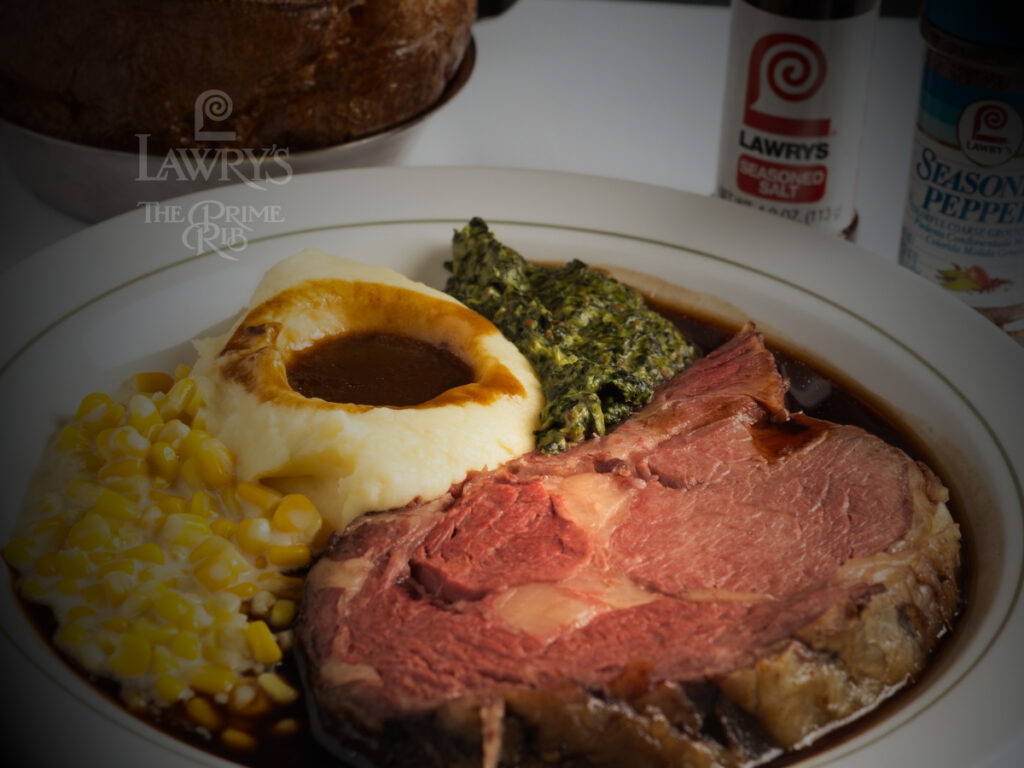
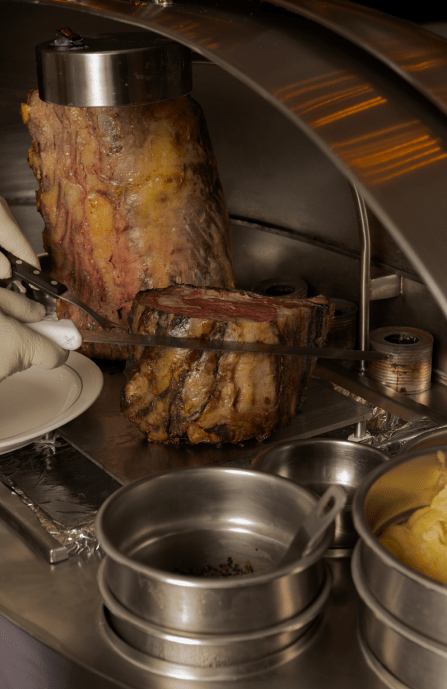
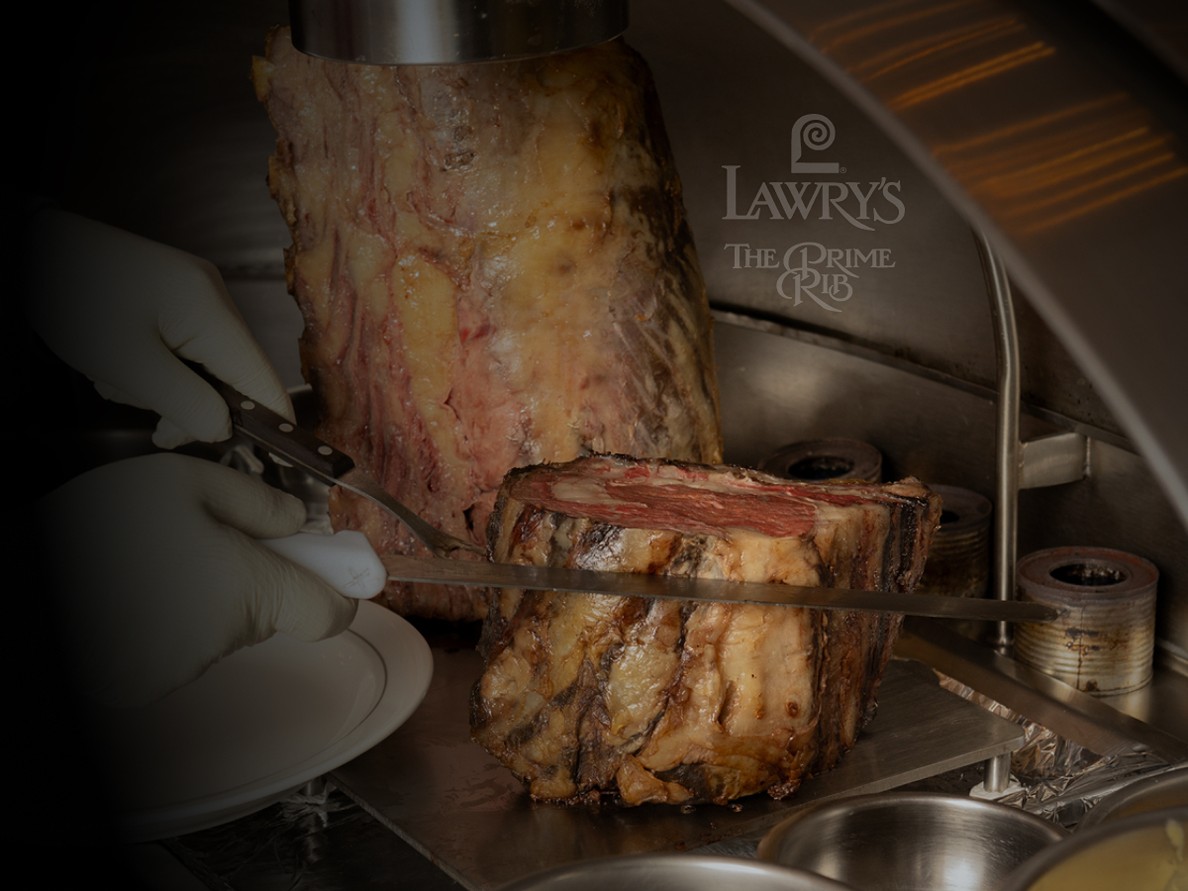
If all this talk has you craving a steak with a proper crust, there’s a reason steakhouses obsess over heat control and timing. For a classic steak or prime rib experience in fine dining in Jakarta, Lawry’s is built around getting those details right, from the sear to the slice. You can explore Lawry’s menu to plan your order, and when you’re ready to turn the Maillard reaction into a full-on dinner plan, go ahead and book your seat at Lawry’s for a luxurious dining experience that puts steak and prime rib front and center.
FAQ
The Maillard reaction is a set of chemical reactions between sugars and proteins (amino acids) that occurs when food is heated, resulting in browned crusts on items like seared steak, toasted bread, and roasted coffee.
The Maillard reaction matters because it creates a wide range of flavor and aroma molecules, enhancing the taste and smell of food. It also contributes to a satisfying texture by forming a crisp surface that contrasts with a tender interior.
To ensure the Maillard reaction occurs, apply real heat (around 140–165°C), keep the surface of the steak dry, give it enough time to brown, and avoid overcrowding the pan.
Maillard browning involves both sugars and proteins, while caramelization occurs when sugars brown on their own, such as in caramel. Maillard reactions are responsible for browning in foods like steak, bread, and coffee.
Yes, a tiny pinch of baking soda can raise pH and encourage browning. However, use it sparingly, as too much can produce an undesirable chemical taste.
Reserve Table
Lawry’s Restaurants is the perfect place to begin your venue search for any occasion.