
Tomahawk vs Prime Rib: What are The Differences?
When faced with the choice between a Tomahawk steak and a Prime Rib, even the most seasoned steak lovers might find themselves in a delightful dilemma. Both cuts are the certain favorites, yet each offers its own distinct flavors and textures, but what truly sets them apart?
The Majestic Roast of a Prime Rib
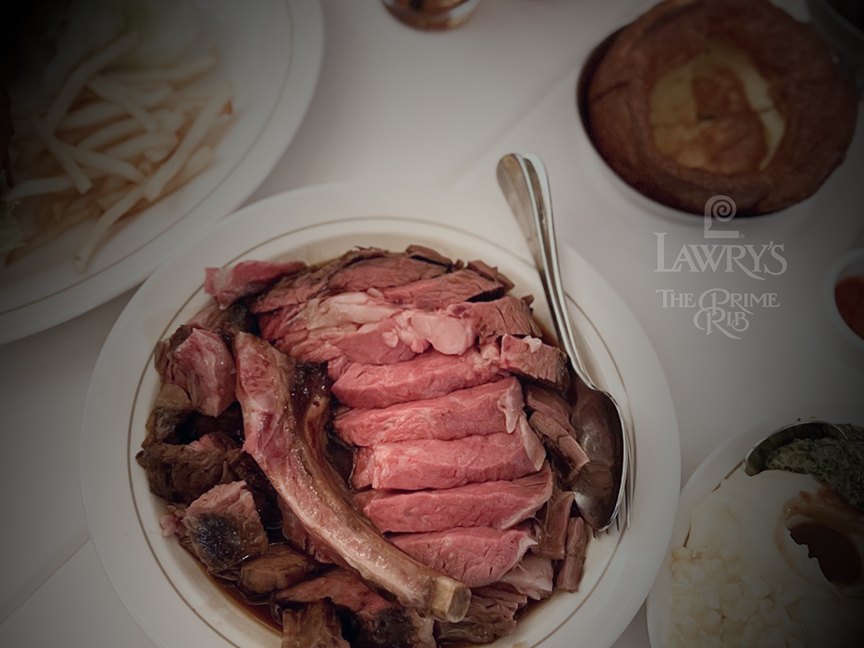
Prime Rib is a roast carved from the primal rib section of the cow. It is a cut celebrated for its marbling, which imbues the meat with juiciness and flavor. When cooked with the bone, the Prime Rib develops an additional layer of depth and richness, as the bone helps to retain moisture and enhance taste. This cut is traditionally roasted slowly at low temperatures, allowing the marbling to melt into the meat, resulting in a cut that is succulent with a tender bite.
A properly prepared Prime Rib has a blend of exquisite textures– it is crispy, flavorful crust on the outside and buttery, melt-in-your-mouth tenderness on the inside. This cut is often the centerpiece of holiday meals. A lavish meal for a festive feast.
Tomahawk: The Showstopper Steak
Enter the Tomahawk steak—a ribeye cut that retains a long, frenched rib bone, reminiscent of a tomahawk axe, from which it derives its name (a fact that not many people know).This dramatic presentation is not just for show. The extended bone adds a visual appeal that makes the Tomahawk a popular choice for special occasions, usually impressing the diners with its grandeur display. Which explains why some restaurants love to sell a ‘hanging tomahawk’ on their menus.
Beneath its impressive exterior, the Tomahawk shares the same marbling and flavor profile as a ribeye. It is tender, juicy, and rich, with a butter-like texture that steak aficionados crave. Cooking a Tomahawk steak often involves a method known as reverse searing, where the steak is first cooked at a low temperature and then finished on high heat to achieve a perfect char on the outside while keeping the inside beautifully tender.
Tomahawk vs Prime Rib: Key Differences
When it comes to impressive cuts of beef, the Tomahawk and Prime Rib are two showstoppers that often steal the spotlight. Both come from the same part of the cow, but they offer slightly different experiences in terms of cooking, flavor, and presentation. So how do they really compare? Let’s break it down!
1. Cooking Method
Tomahawk steak is typically cooked like a large ribeye steak. Because of its thick cut and long, bone-in presentation (that signature “axe handle” look), it’s often seared on high heat and then finished in the oven or on indirect heat if grilling. Some even go for the reverse sear method—cooking it low and slow first, then giving it a hot sear at the end for a perfect crust. The bone not only adds visual drama, but it also helps insulate the meat, keeping it juicy during cooking.
Prime rib, on the other hand, is usually roasted as a whole piece. Think of it as the grand centerpiece of a holiday meal. It’s often slow-roasted in the oven, sometimes crusted with herbs or spices, and served in thick slices. It’s more about cooking for a group rather than individual steaks. You can also find boneless or bone-in versions of prime rib, with the latter offering a richer, more robust flavor.
2. Cost
Tomahawk steaks are generally more expensive per piece because they are cut thick and include that long bone for presentation—which means you’re paying for the “wow factor” as much as the meat itself. They’re usually sold as individual steaks, and a single tomahawk can easily feed 2 people.
Prime rib tends to be more economical per serving, especially when buying a whole roast. While it’s still a premium cut, you get more meat for your money. If you’re feeding a crowd, going for a prime rib roast is often more budget-friendly than buying individual tomahawk steaks for everyone.
3. Texture and Tenderness
Both cuts are incredibly tender and juicy because they come from the rib primal, a section known for rich marbling and buttery texture. However, there are slight differences due to the way they’re cut and cooked.
Tomahawk steaks have that ribeye texture—super tender, with a nice balance of fat and meat. Since it’s usually seared and cooked quickly, the texture is slightly firmer on the crust with a juicy interior.
Prime rib is slow-roasted, which breaks down the fat more gently. The result is an ultra-soft, melt-in-your-mouth texture that feels more like a luxury roast than a steak. It’s perfect for those who love super tender meat without a hard sear on the outside.
4. Flavor
Flavor-wise, both are winners—but in different ways. Tomahawk steak delivers that classic ribeye flavor: rich, beefy, and slightly smoky if grilled. The bone adds depth during cooking, and the high-heat sear creates a flavorful crust that steak lovers crave.
Prime rib, especially when cooked bone-in, has a more roasty, savory profile. Because it’s slow-cooked, the fat renders beautifully into the meat, creating a smooth, buttery flavor with every bite. When seasoned well (think garlic, rosemary, and salt), the flavor is deeply comforting and hearty.
Mastering the Art of Cooking Your Perfect Steak
Beyond understanding their differences, many steak aficionados appreciate knowing the best methods for preparing these cuts at home. Understanding the cooking process also deepens your appreciation for what goes into a perfectly executed plate when you dine out.
Cooking a Tomahawk steak: the reverse sear method
The reverse sear is widely considered the most reliable method for a thick cut like the Tomahawk. Season generously with salt and pepper, then slow-roast in an oven at 120 to 135°C (250 to 275°F) until the internal temperature is about 8 to 10°C below your desired doneness. This low and slow phase ensures the heat penetrates evenly from edge to edge.
Once the internal temperature is reached, remove the steak, pat it completely dry, and sear it in a cast-iron pan over the highest heat you can achieve, using a high smoke-point oil such as grapeseed or avocado oil, for 1 to 2 minutes per side. Baste with butter, crushed garlic, and rosemary or thyme during the final sear. Rest for at least 15 minutes before cutting.
Cooking a Prime Rib roast: low and slow
Prime Rib is a larger roast and benefits from an extended, gentle cook. Season well and start with a high-heat blast at around 230°C (450°F) for 15 to 20 minutes to develop a crust, then reduce the oven temperature to 120 to 150°C (250 to 300°F) and continue roasting until the internal temperature reaches your preferred doneness. This can take several hours depending on the size of the roast.
Resting is non-negotiable for Prime Rib. Rest for at least 20 to 30 minutes, tented loosely with foil, before carving. This allows the juices to redistribute throughout the roast. Carving against the grain in thick, even slices will give you the most tender result.
Perfect Pairings: Elevating Your Steak Experience
Once you understand how each cut is prepared, the next step is choosing the right accompaniments. The right sides and wine can either balance the richness of the beef or amplify its specific character.
Pairing with Prime Rib
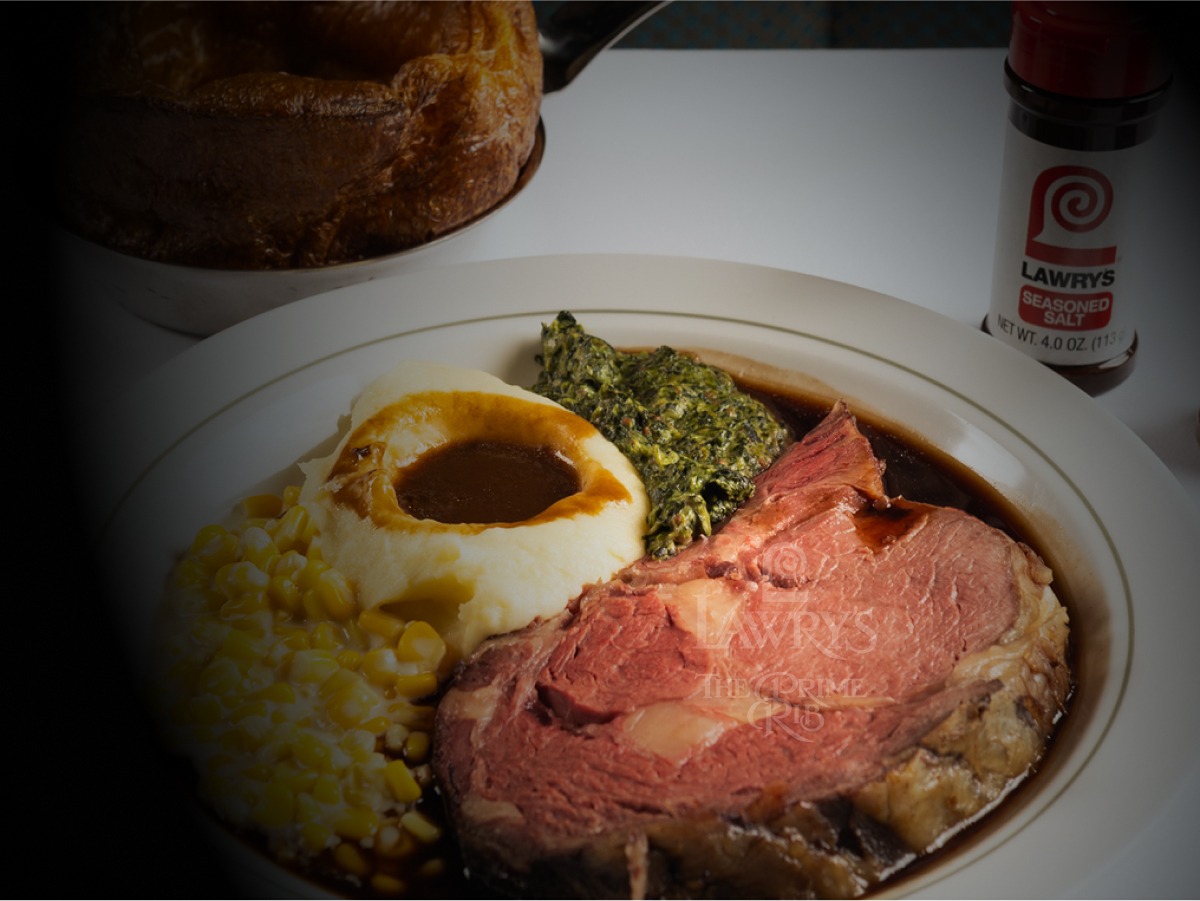
Prime Rib’s slow-roasted, deeply savoury profile pairs well with sides that offer a comforting counterpoint: creamed spinach, fluffy mashed potatoes, and Yorkshire pudding are the classics. These bring softness and richness that complement rather than compete with the beef.
For wine, a full-bodied red is the natural choice. Cabernet Sauvignon and Merlot, with their firm tannins and dark fruit notes, cut through the fat of the Prime Rib and bring out its savoury depth. A well-oaked Chardonnay is an unconventional but genuinely satisfying white option for those who prefer it.
Pairing with Tomahawk
The Tomahawk’s intense marbling and char from the high-heat sear open it up to bolder, more assertive accompaniments. Grilled asparagus, truffle mashed potatoes, or a sharp chimichurri sauce all provide freshness and contrast against the richness of the beef.
For wine, a powerful Syrah or Shiraz holds up well against the Tomahawk’s flavour intensity, as does a spicy Zinfandel. The goal in either pairing is to find something that either balances the richness or amplifies the specific notes in each cut, not something that disappears alongside it.
Which One to Choose?
Ultimately, the choice between Prime Rib and Tomahawk comes down to the occasion and the dining experience you seek. The Tomahawk, is the steak lover’s dream—a single, dramatic cut that commands attention. It’s perfect for an intimate dinner where the focus is on savoring every bite of that perfectly cooked, well-marbled meat.
Prime Rib, on the other hand, is perfect for festive gatherings and holiday feasts due to its grand presentation and succulent tenderness. Its roast form allows it to be sliced into portions that cater to a crowd, making it ideal for those big dinners you share with a crowd of people.
The Lawry’s Signature Experience: A Cut Above
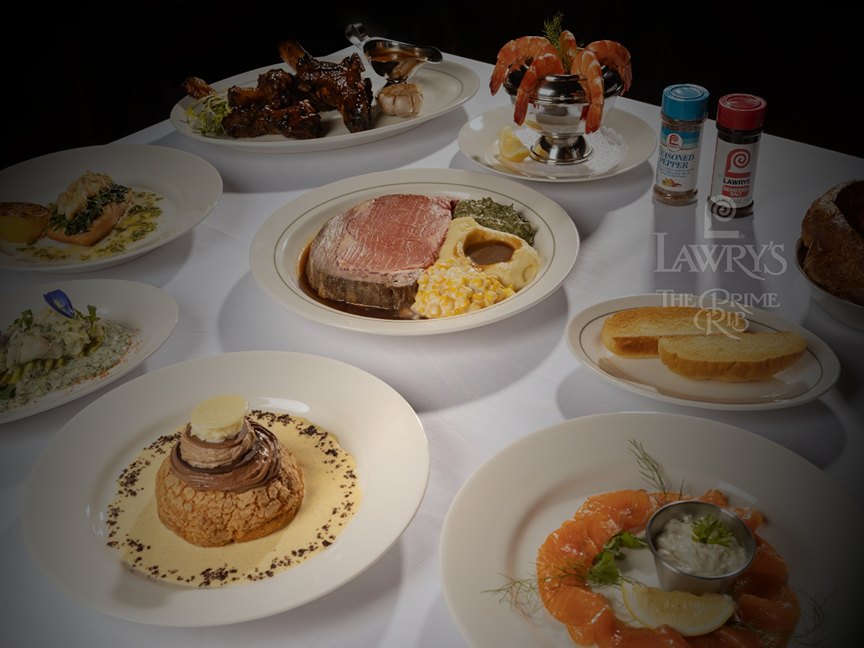
While the technical differences between Tomahawk and Prime Rib make for fascinating reading, the true distinction in dining often lies in the experience itself. At Lawry’s The Prime Rib Jakarta, we do not simply serve a steak. We present a legacy.
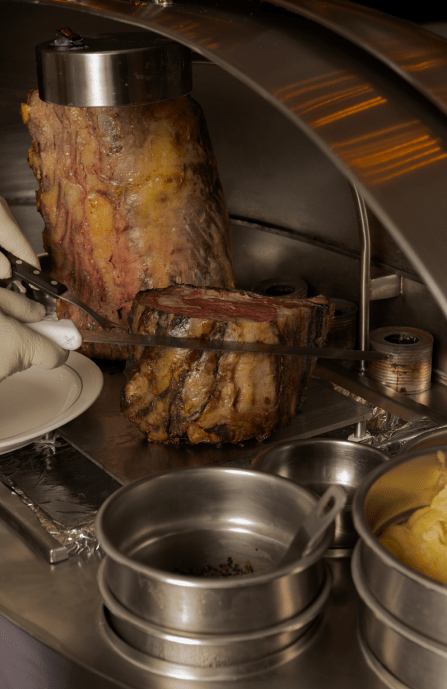
The Prime Rib at Lawry’s is not merely a dish. It is a performance. Each roast is carved tableside from our iconic silver carts by skilled, certified carvers, ensuring every slice is precisely cut and served with a flourish. This tradition dates back to 1938, when Lawrence Frank first opened Lawry’s in Beverly Hills with a single, unwavering focus: to serve the finest roasted prime rib in the world. That same silver cart, that same dedication to craft, arrives at your table in Jakarta today.
The ritual of the silver cart transforms a meal into an occasion: the raised lid, the steam rising from the roast, the carver asking your preferred cut and doneness. For diners who value heritage, presentation, and a standard of service that has not changed in over 85 years, this is what sets Lawry’s apart from any other steakhouse in the city.
Whether you are celebrating a milestone, hosting valued guests, or simply treating yourself to something exceptional, Lawry’s The Prime Rib Jakarta offers a Prime Rib experience that is, in every sense, a cut above. Reserve your table now.
FAQ
The main difference lies in the cut and preparation. The Tomahawk is a ribeye with a long, frenched bone, offering a dramatic presentation, while the Prime Rib is a roast cut from the primal rib section, often served with the bone for enhanced flavor.
Prime Rib is ideal for large gatherings as it can be sliced into portions to serve a crowd, making it perfect for holiday meals and festive feasts.
A Tomahawk steak is typically cooked using reverse searing, where it's first cooked at low temperatures and then seared at high heat for a perfect crispy crust and tender inside.
Reserve Table
Lawry’s Restaurants is the perfect place to begin your venue search for any occasion.