
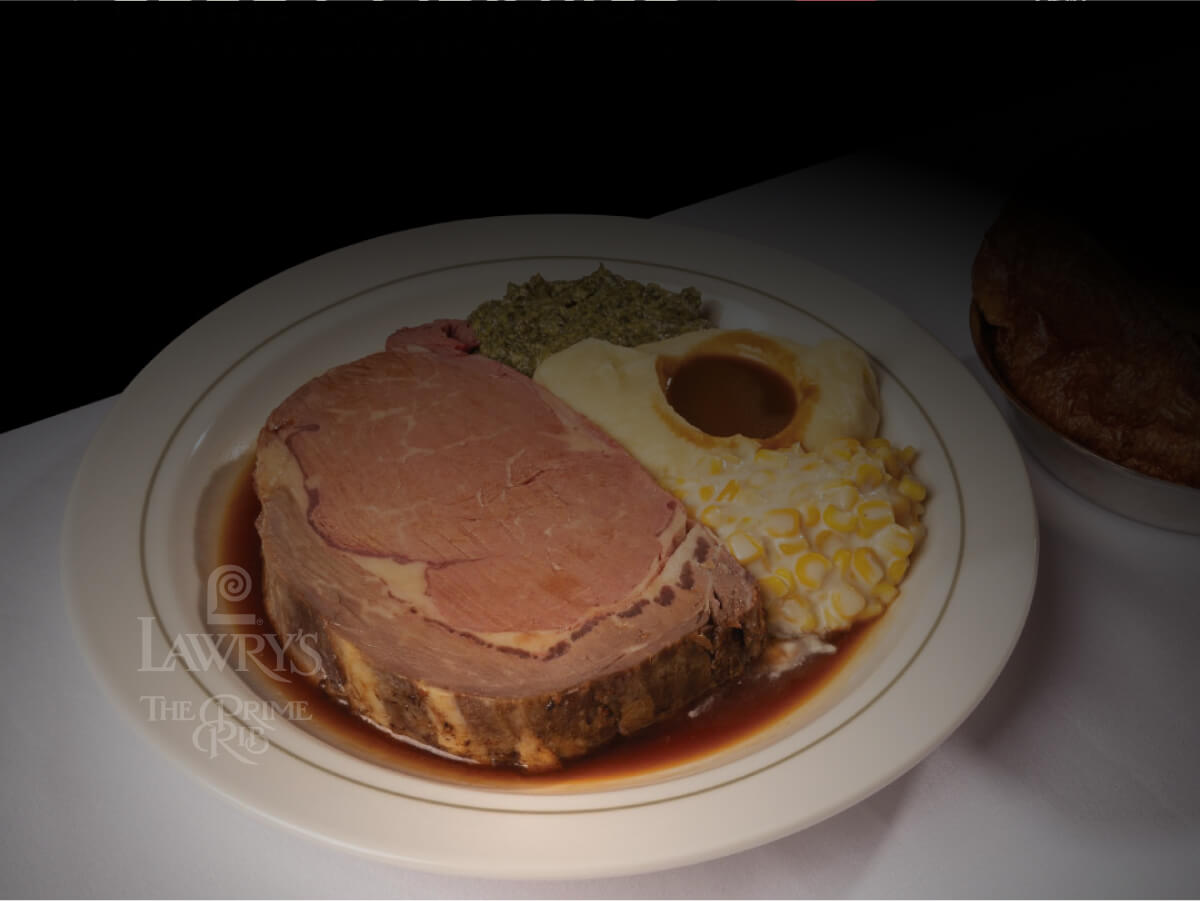
What’s the Difference between Striploin, Sirloin, and Tenderloin?
Who doesn’t love a beautifully marbled steak for dinner? Pair it with creamy mashed potatoes and a glass of red wine, and you have a meal worth remembering.
However, for diners with a particular taste, seeing terms like striploin, sirloin, and tenderloin on a menu can raise a simple question: what exactly makes these cuts different? More importantly, which one should you choose the next time you are ordering steak at a fine dining restaurant in Jakarta?
While they may sound similar, these three cuts offer very different dining experiences. Understanding their differences can help you choose a steak that perfectly matches your preference for tenderness, flavor, or richness. Let’s break them down.
What is Striploin?
Striploin, also known as the New York Strip or Club Steak, hails from the short loin of the cow, an area that doesn’t see much muscle movement. This results in a cut that strikes a balance between tenderness and rich beefy flavor. Unlike its more delicate counterpart, the tenderloin, striploin contains a fair amount of marbling—those intricate veins of fat that melt into the meat when cooked, giving it that signature juicy bite.
Striploin vs. Sirloin: Are They the Same?
This is a classic mix-up. Many menus, particularly in Southeast Asia, list striploin under the general term “sirloin.” Technically, sirloin refers to a broader section of beef, which includes both the top sirloin (leaner and firmer) and the bottom sirloin (tougher but flavorful). Striploin, on the other hand, comes from the top sirloin but is more refined—less muscle, more tenderness, and a wonderful meat-to-fat ratio. So, if you’re after a robust, beef-forward experience with just the right chew, striploin is your best choice.
Related article: Sirloin vs Tenderloin — What are The Differences?
Striploin vs. Tenderloin
When it comes to the tenderness of the beef, tenderloin (or filet mignon) is the undisputed champion. Cut from a muscle that gets little to no exercise, tenderloin is incredibly soft—so much so that you could almost cut it with a fork. However, with that tenderness comes a trade-off: compared to striploin, tenderloin has a milder flavor and significantly less fat. If you prefer a steak that melts in your mouth, tenderloin is the way to go. But if you love the combination of tenderness and deep umami flavor, striploin wins the game.
Striploin vs. Ribeye
Now, let’s talk about the heavyweight of flavor—ribeye. Unlike striploin, which has a firmer texture, ribeye is significantly richer and more succulent due to its intense marbling. Cut from the upper rib section, ribeye boasts an indulgent, buttery taste, perfect for those who adore the melt-in-your-mouth experience. However, if you prefer a slightly leaner, yet still juicy and flavorful steak, striploin offers the perfect middle ground.
Striploin vs Sirloin vs Tenderloin: Key Differences
While these three cuts often appear side by side on steakhouse menus, they offer very different dining experiences. Their differences mainly come from where the meat is located on the cow, how much marbling it has, and how tender the muscle is.
Understanding these characteristics can make it easier to choose a steak that suits your personal preference.
| Cut | Location on the Cow | Marbling | Tenderness | Flavor Profile | Best For |
| Striploin (New York Strip) | Short loin | Moderate | Tender | Rich, beefy flavor with a juicy bite | Balanced steak lovers |
| Sirloin | Rear back (behind short loin) | Low to moderate | Moderately tender | Leaner with robust beef flavor | Lean steak option |
| Tenderloin (Filet Mignon) | Inside the loin near the spine | Low | Extremely tender | Mild, delicate flavor | Maximum tenderness |
Key Takeaways
- Tenderloin is the most tender cut because the muscle sees very little movement during the cow’s life.
- Striploin offers the best balance of tenderness and bold beef flavor thanks to its moderate marbling.
- Sirloin is typically leaner and slightly firmer but still delivers a satisfying steak experience.
Which Steak Cut Should You Choose?
For many steak lovers, choosing the right cut ultimately comes down to what they value most in their dining experience.
If tenderness is your top priority, tenderloin is hard to beat. This cut, often served as filet mignon, comes from a muscle that does very little work, which is why the texture is incredibly soft and delicate.
Striploin is ideal for diners who want balance. With moderate marbling and a slightly firmer bite than tenderloin, it delivers both satisfying tenderness and a rich beef flavor that many steak enthusiasts appreciate.
Meanwhile, sirloin appeals to diners who prefer a leaner steak. It typically has less fat than striploin, giving it a firmer texture, but when cooked properly it still offers a satisfying and flavorful steak experience.
Cooking Striploin to Perfection
To get the best out of your striploin steak, follow these tips:
- Room Temperature is Key – Take your steak out of the fridge at least 30 minutes before cooking to ensure even heat distribution.
- Season Generously – A simple blend of salt, freshly cracked black pepper, and rosemary is all you need to enhance its natural flavors.
- Sear, Don’t Overcook – Cook over high heat for a beautiful crust while keeping the center juicy. Aim for medium-rare (around 55-60°C) for optimal texture.
- Rest Before Slicing – Let your steak sit for 5-10 minutes post-cooking to lock in the juices.
There’s steak, and then there’s steak done right. If you’re in the mood for an impeccable cut of beef, prepared by seasoned chefs in an elegant setting, Lawry’s The Prime Rib Jakarta is the place to be. Our menu shows the finest cuts, including luxurious striploin and prime ribs!
Book your seat for an unforgettable fine dining experience at Lawry’s today:
- Explore the Lawry’s menu
- Reserve your table here
- Learn more about Lawry’s The Prime Rib Jakarta
For those who demand nothing but the best, let your next steak experience be nothing short of scrumptious.
FAQ
Striploin, also known as the New York Strip, is cut from the short loin of the cow. It offers a balance of tenderness and beefy flavor, with marbling that adds juiciness. It’s firmer than tenderloin but more tender than sirloin.
While striploin comes from the top sirloin and is more tender, sirloin includes a broader section with both leaner (top) and tougher (bottom) cuts. Striploin has a better meat-to-fat ratio, making it juicier and more flavorful.
Tenderloin is much more tender than striploin but has a milder flavor and less fat. Striploin strikes a better balance between tenderness and beefy flavor, with a satisfying chew.
Ribeye is richer and more succulent than striploin due to its intense marbling, which gives it a buttery taste. Striploin is slightly leaner but still juicy and flavorful, offering a middle ground between the two.

Reserve Table
Lawry’s Restaurants is the perfect place to begin your venue search for any occasion.