
Different Types of Salt and How They Change Your Steak
Let’s be real. Steak doesn’t need a long list of ingredients. It needs the right ones. And salt sits at the top of that list. Not because it’s flashy, but because it quietly controls flavor, moisture, and texture. Choose the right salt and your steak feels balanced. Choose the wrong one and it’s like trying to tune a piano with oven mitts.
First, why is salt so important when cooking steak? Salt does more than make food salty. When it hits raw beef, it starts working immediately. It draws moisture to the surface. Then, given a little time, that moisture dissolves the salt and moves back into the meat. This process seasons the steak beyond the surface and helps loosen muscle proteins. The result is meat that cooks more evenly and stays juicier. At the same time, a drier surface helps browning once the steak meets heat. That browning is where flavor builds. So yes, salt affects taste, but it also controls moisture and crust. That’s why the type of salt you use actually matters.
Next, let’s break down how salt works on steak in simple terms. First, salt pulls water out. Then, that salty liquid sinks back in. After that, the meat holds onto moisture better during cooking. Finally, the surface dries just enough to encourage a good sear. Skip this step or rush it, and the steak still cooks, but it won’t hit the same notes.
Now to the big question.
Different types of salt for steak, and what they actually do.
Kosher Salt
What it is: A coarse-grained salt with no additives, commonly used in professional kitchens.
Crystal size & melt speed: Large crystals that dissolve slowly.
Flavor impact: Clean and straightforward. Enhances beef flavor without harshness.
Best used for: Pre-salting and seasoning before cooking.
Pros & Cons: Easy to control and distribute evenly. Harder to overdo. Takes up more space, so it can look like a lot even when it isn’t.
Table Salt (Iodized Salt)
What it is: Finely ground salt with added iodine.
Crystal size & melt speed: Very fine and dissolves fast.
Flavor impact: Sharp and direct. Easy to overwhelm food.
Best used for: Emergency use only, right before cooking, in very small amounts.
Pros & Cons: Readily available. Easy to oversalt because of density and fast melting.
Sea Salt (Coarse)
What it is: Salt made by evaporating seawater, often minimally processed.
Crystal size & melt speed: Medium to large crystals that dissolve at a moderate pace.
Flavor impact: Slight mineral notes depending on origin.
Best used for: After cooking or light finishing.
Pros & Cons: Adds texture and visual appeal. More expensive and less consistent in salinity.
Flake Salt (Maldon-style or similar)
What it is: Thin, flaky sea salt formed into light crystals.
Crystal size & melt speed: Large flakes that melt slowly or crunch lightly.
Flavor impact: Gentle saltiness with texture.
Best used for: Finishing after cooking.
Pros & Cons: Great mouthfeel and control. Not ideal for pre-salting because it doesn’t dissolve evenly.
Pink Himalayan Salt
What it is: Rock salt mined from ancient salt beds.
Crystal size & melt speed: Available fine or coarse; coarse melts slowly.
Flavor impact: Mild and clean with subtle mineral notes.
Best used for: Finishing or presentation-focused seasoning.
Pros & Cons: Attractive color. No real functional advantage over kosher salt for cooking.
Unsure Which Salt to Use? Let Lawry’s Show You the Perfect Balance
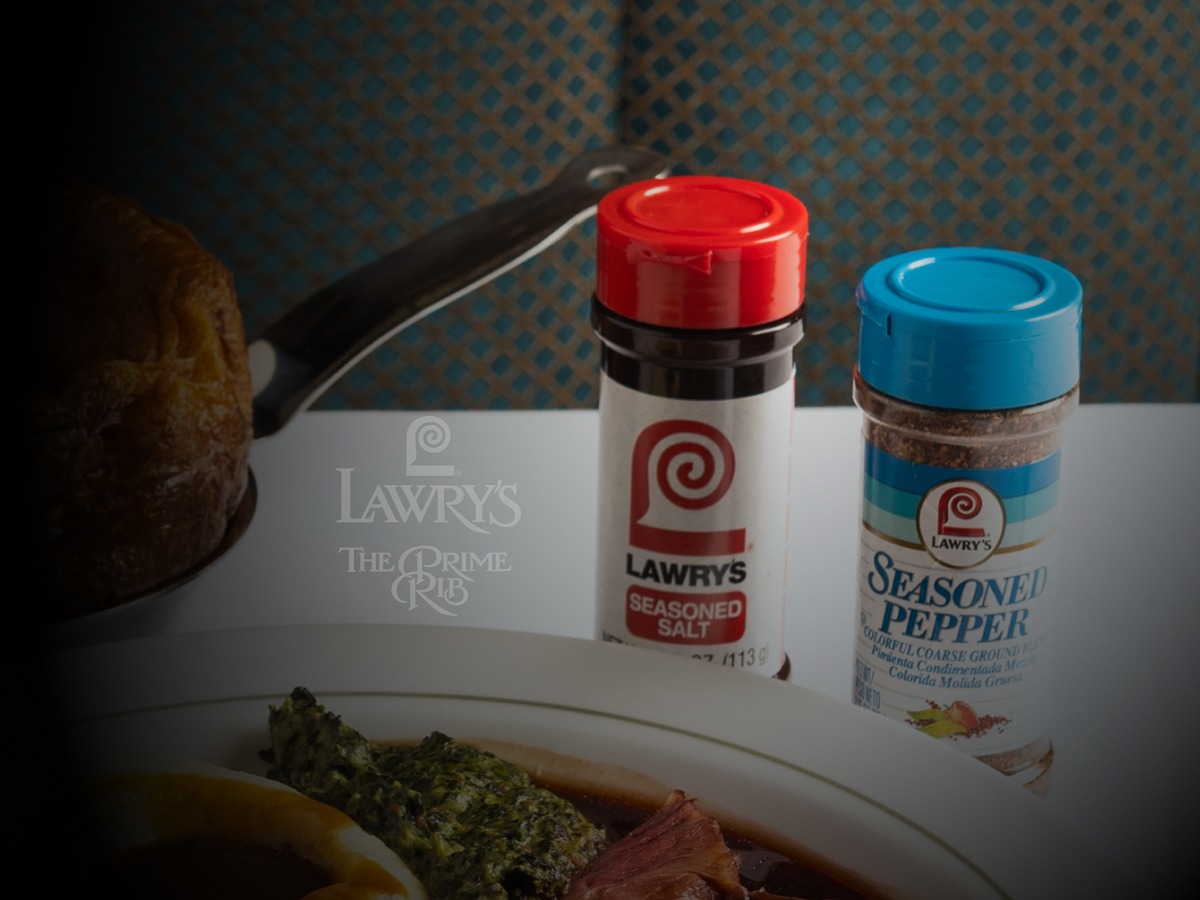
At steakhouses, salt choice isn’t guesswork. It’s calibrated. At Lawry’s The Prime Rib, seasoning is handled with precision, using techniques that account for cut, thickness, and cooking method. That balance is why their steaks and prime rib arrive seasoned evenly, not aggressively, and never flat. If you’re exploring fine dining in Jakarta, this is a place where salt is treated as a tool, not a shortcut. You can preview the approach on the Lawry’s menu, then book your seat when you’re ready to experience it firsthand.
FAQ
Salt draws moisture to the surface of the steak, where it dissolves and moves back into the meat. This seasons the steak beyond the surface, helping it cook evenly and retain juiciness. It also aids in browning, which is crucial for flavor.
Kosher salt is a coarse-grained salt with large crystals that dissolve slowly. It enhances the beef flavor without the harshness and is easy to control and distribute evenly, making it ideal for pre-salting and seasoning before cooking steak.
Table salt can be used, but it's very fine and dissolves quickly, which makes it easy to oversalt. It's best used in emergencies, just before cooking, and in very small amounts.
Sea salt, often minimally processed with medium to large crystals, is best used for finishing or light seasoning after cooking. It adds texture and visual appeal but can be more expensive than other salts.
Pink Himalayan salt offers a mild, clean flavor with subtle mineral notes. It's mainly used for finishing or presentation-focused seasoning due to its attractive color, though it doesn't offer substantial functional advantages over kosher salt.

Reserve Table
Lawry’s Restaurants is the perfect place to begin your venue search for any occasion.