
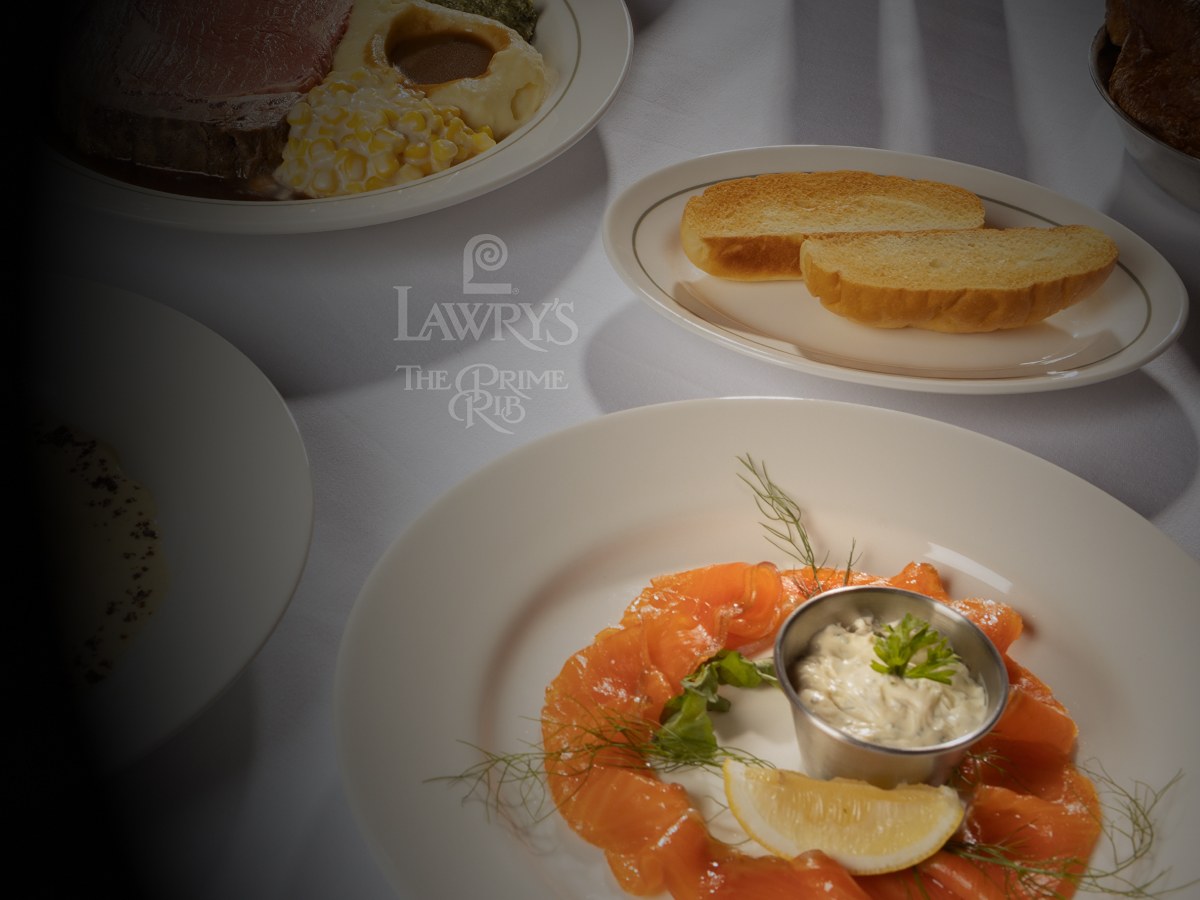
Everything You Need to Know About Salmon Tartare
Ordering something “raw” can occasionally feel like a tiny leap of faith. However, for the discerning palate, salmon tartare isn’t a gamble—it is a calculated indulgence. When executed with precision, it is a dish that tastes clean, lively, and profoundly satisfying without the heaviness of a traditional cooked entrée. It possesses a certain effortless elegance, which, as any seasoned diner knows, is often the most difficult kind of elegance to achieve.
What Exactly is Salmon Tartare?
To put it simply for the curious, a tartare is a dish composed of finely chopped raw protein—traditionally beef or fish—seasoned meticulously and served chilled. Salmon tartare specifically uses premium raw salmon as its canvas, layering in ingredients that provide both contrast and harmony.
What does it actually taste like? Expect a sophisticated balance between richness and sharpness. The salmon provides a buttery, clean base that is immediately balanced by a zesty acidity. This isn’t just for tang; it’s a functional culinary choice that cuts through the natural fats of the fish, ensuring the dish never feels heavy or cloying.
The texture is equally important. You get a soft, chilled bite from the premium salmon, punctuated by the crisp crunch of finely diced aromatics. This combination results in a clean finish that leaves the palate feeling refreshed and “awake”—making it the perfect prelude to a more robust main course like Lawry’s signature Prime Rib.
How Is Salmon Tartare Different From Sashimi?
The difference is simple. Sashimi is thinly sliced raw fish served plain, usually with soy sauce and wasabi on the side. Tartare is chopped or diced raw fish that’s mixed with seasonings before it hits the plate. Sashimi is about purity and clean slices. Tartare is about texture and seasoning working together. If sashimi is a solo performance, tartare is a small ensemble. Still focused, just more layered.
What “Sushi-Grade” Really Means
In the search for the best salmon tartare in Jakarta, the term “Sushi-Grade” is often used as a marketing buzzword. At Lawry’s, we treat it as a non-negotiable standard of discipline.
Not all salmon is destined for the tartare ring. Truly premium salmon must be sourced sustainably and handled with a level of rigor that is nearly impossible to replicate in a home kitchen. The “Lawry’s Edge” lies in our uncompromising cold chain management; maintaining a strict temperature between 0°C to 4°C from the moment of sourcing to the final plating. This professional discipline is what transforms a “raw dish” into a safe, world-class luxury seafood experience that meets stringent international safety standards.
Why the Chef’s Touch is Non-Negotiable
Many have tried to recreate this dish at home, only to find the texture turning mushy or the flavors becoming muddled. This is where the Chef’s Craftsmanship becomes the defining factor.
The perfect tartare requires a precise dicing technique, each cube must be uniform (around ½ inch) to ensure a consistent, elegant mouthfeel. Then comes the “gentle folding.” At Lawry’s, this is a ritual of restraint; the salmon is folded with its seasonings just enough to coat, never so much that the integrity of the fish collapses. Every cube must provide a subtle “resistance” when you bite into it—a sign of absolute freshness and technical mastery that ensures the dish is visually stunning and structurally sound.
Is Salmon Tartare Safe to Eat?
Safety in raw preparations is a product of discipline, not luck. While home kitchens often face the risks of cross-contamination and inconsistent sourcing, a professional dining room like Lawry’s operates under immense scrutiny.
We minimize risk through a supply chain that is monitored at every link. From using clean, professional-grade tools to ensuring the fish is consumed within a strict 24-hour window, our process eliminates the “guesswork” often found in home preparation. While we always advise caution for those with compromised immune systems or high-risk groups, the healthy gourmand can dine with confidence, knowing the safety of our salmon tartare is backed by professional oversight.
Beyond the technicalities, salmon tartare is a dish designed for the modern connoisseur—one who appreciates that a fine dining experience begins long before the first bite. Its striking presentation is inherently aesthetic, making a visual statement that captures the room’s attention in a way few other appetizers can match.
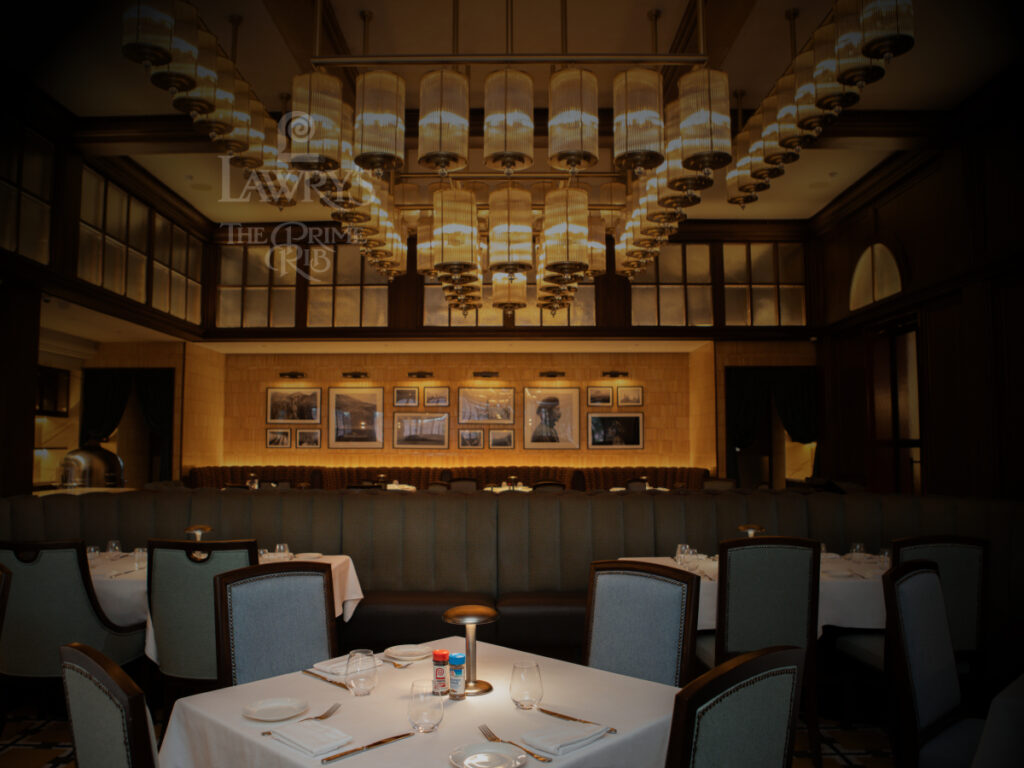
There is a certain prestige in starting your evening with a chilled Salmon Tartare, its vibrant colors glistening under the crystal chandeliers of our dining room, before moving on to the main event of our signature Prime Rib. It provides a memory—and a sense of occasion—that simply cannot be found in a home-cooked meal.
If you are ready to experience how premium sourcing and expert timing hit differently, we invite you to explore the Lawry’s menu. Elevate your next evening with the gold standard of premium salmon tartare in Jakarta.
Book Your Seat at Lawry’s The Prime Rib Jakarta and discover why the perfect starter is the foundation of a legendary dinner.
FAQ
Salmon tartare is a dish made from raw salmon cut into small cubes and mixed with bright, punchy seasonings. It is served chilled and combines flavors like lemon juice, minced shallots, capers, dill, and a hint of mustard to highlight the salmon's taste.
While sashimi consists of thinly sliced raw fish served plain, salmon tartare involves chopped or diced raw fish that's mixed with seasonings. Sashimi focuses on the purity of the fish, whereas tartare emphasizes texture and a blend of flavors.
Salmon tartare has a mild, buttery salmon flavor with a tender bite. It includes notes of tanginess from lemon and vinegar, a briny touch from capers, a gentle bite from shallots, and a fresh lift from dill. Mustard may add a subtle zing to keep each bite exciting.
To make salmon tartare safely, use sushi-grade salmon from a trusted fishmonger and keep it cold from purchase to plating. Ensure you use clean knives and cutting boards to avoid cross-contamination and consume the tartare within 24 hours of preparation.
Although there is always some risk with eating raw fish, using high-quality, sushi-grade salmon from a trusted source reduces the risk. Keep it cold and handle it with clean utensils. People with compromised immune systems or pregnant individuals should avoid raw fish.
Reserve Table
Lawry’s Restaurants is the perfect place to begin your venue search for any occasion.