
Rump Steak 101: The Underrated Cut That Might Surprise You
What is rump steak? It’s a cut of beef taken from the rear of the cow, just above the hind leg, and it comes from one of the most active muscle groups. That detail matters more than it sounds. Because the muscle works hard, rump steak develops a firm texture and a bold, beef-forward flavor. It’s lean, structured, and direct. Let’s be real, this is not a steak that tries to charm you with butteriness. It wins you over with character.
Next, let’s talk about what that muscle activity means on the plate. Rump steak has tighter muscle fibers than cuts taken from less-used areas. The texture is firmer than tenderloin, but when cooked correctly, it’s far from tough. You get a satisfying chew, the kind that makes you slow down instead of rushing through the bite. Flavor-wise, rump steak delivers a clean, savory beef taste that’s more pronounced than many popular cuts. It doesn’t rely on fat to do the heavy lifting. It relies on the meat itself.
Then there’s fat content. Compared to ribeye, which is known for generous marbling and a rich, buttery mouthfeel, rump steak is noticeably leaner. Ribeye comes from around the ribs, an area that naturally collects intramuscular fat, which melts during cooking and creates a lush texture. Rump steak doesn’t have that safety net. In exchange, it offers clarity of flavor. You taste beef, not just rendered fat.
After that, consider sirloin. Sirloin sits closer to the rear but doesn’t work as hard as the rump. That gives it a middle-ground personality. It’s more tender than rump steak, with moderate fat and a balanced beef flavor. Sirloin is versatile and familiar, which is why it’s so popular. Rump steak, by contrast, feels more focused. It’s firmer, leaner, and slightly more intense, making it appealing to diners who enjoy structure and depth rather than softness alone.
Then there’s tenderloin, also known as fillet. This cut comes from alongside the spine, an area that does very little work. The result is extreme tenderness and very little fat. The flavor is mild and subtle. If tenderloin is about softness above all else, rump steak is about substance. One isn’t better than the other. They simply answer different cravings. Choosing between them is like choosing between a silk shirt and a crisp cotton one. Both work. They just feel different.
Now, let’s talk cooking. Because rump steak is lean, timing matters. High heat works best. A quick sear builds flavor on the surface, while careful doneness keeps the inside juicy. Slice it against the grain and the texture becomes noticeably more forgiving. Marinades and dry brining can help too, but they’re not mandatory. What matters most is respect for the cut. Rush it, and it dries out. Handle it with intention, and it delivers.
There’s also a practical upside. Rump steak is often more affordable than flashier cuts like ribeye or tenderloin. That makes it a smart choice for cooks who want quality without excess. It also supports a more thoughtful approach to meat consumption. Using cuts from hardworking muscles encourages nose-to-tail eating and reduces waste. In other words, choosing rump steak is good for both the plate and the bigger picture.
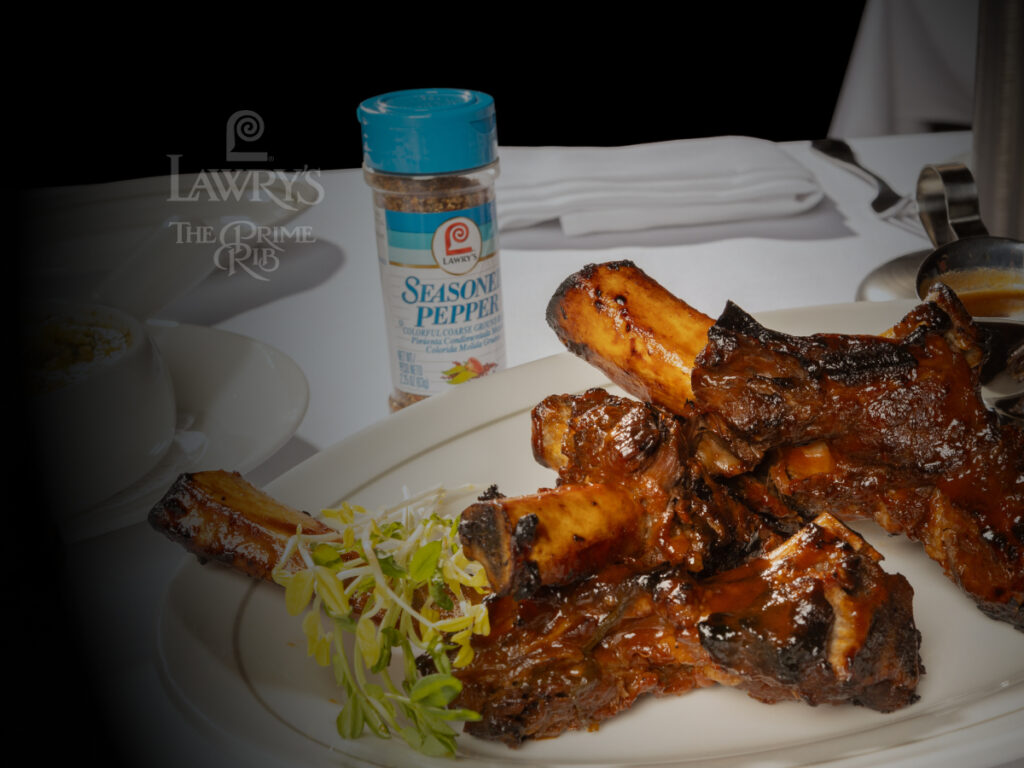
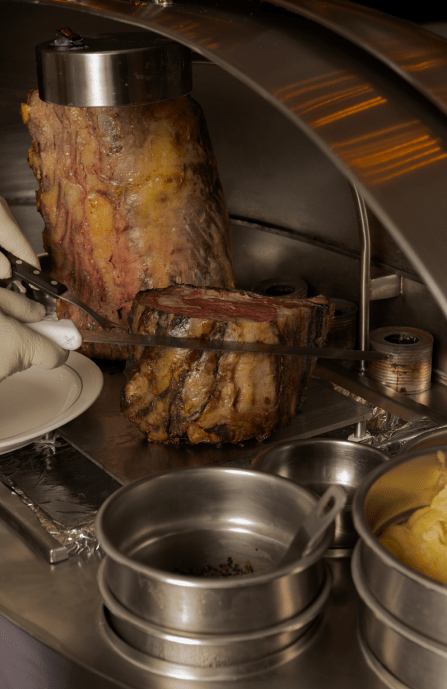
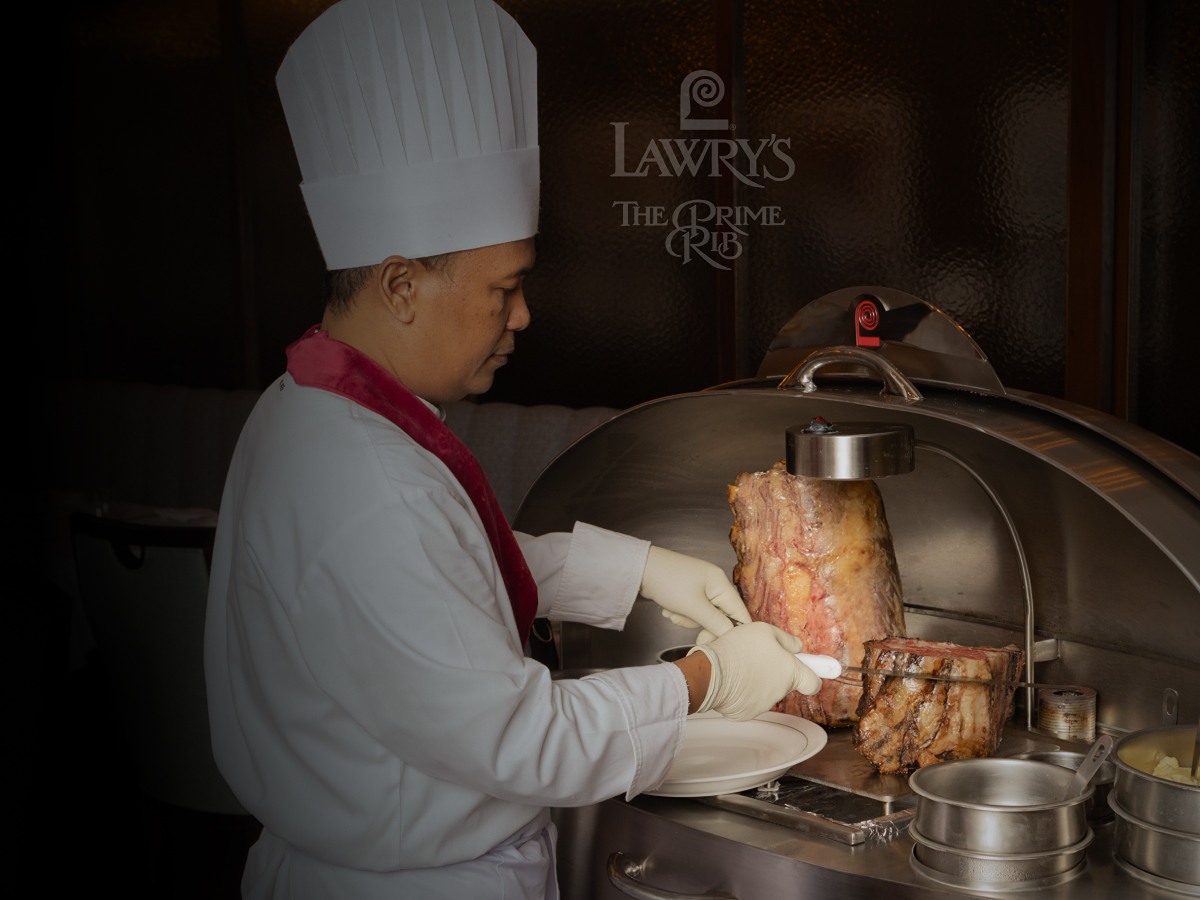
Finally, while rump steak shines at home with the right technique, it can feel especially rewarding when prepared by experienced hands. At Lawry’s The Prime Rib Jakarta, we offer a setting where different cuts of beef are seasoned and cooked with precision, whether you’re opting for steak or their classic prime rib. You can explore the Lawry’s menu, then book your seat when you’re ready to let professionals handle the details!
FAQ
Rump steak is often overlooked but is known for its rich flavor and affordability compared to more popular cuts like ribeye or filet mignon.
Rump steak is best cooked using high-heat methods like grilling, broiling, or pan-searing to enhance its natural flavors while keeping it tender.
Rump steak is a great source of protein, essential amino acids, and important nutrients like iron and vitamin B12, which are vital for a balanced diet.
Rump steak is generally leaner and less tender than premium cuts like ribeye, but it offers a robust flavor and is more budget-friendly.
Yes, rump steak is versatile and can be used in various dishes, from stir-fries and sandwiches to hearty steak dinners, making it a great option for many cuisines.

Reserve Table
Lawry’s Restaurants is the perfect place to begin your venue search for any occasion.