
Is Flipping Steak Bad? The Truth Behind This Popular Cooking Myth
The short answer is no, flipping steak is not bad. You’re allowed to touch it. You’re even allowed to flip it more than once without the Steak Police showing up at your grill.
For years, the rule has been, “Put the steak down, don’t move it, flip once, and walk away.” The warning usually goes that if you flip too often, the steak won’t cook properly or won’t get a good crust. But food science has been poking holes in that advice. Tests by chefs and food writers have shown that flipping more frequently can actually help the steak cook more evenly and sometimes even faster, with less of that gray, overcooked ring around the edges.
Why the “don’t flip your steak” rule isn’t always right
The idea behind the one-flip rule is simple. Leave the steak alone so it can develop a deep brown crust, then flip once to finish the other side. It does work, and many great steaks have been cooked this way.
But experiments on grills and skillets show that flipping more often can bring positive results. Moving the steak frequently means each side spends shorter bursts in direct contact with the heat, preventing one side from getting too hot for too long. The heat spreads more evenly from edge to center, so you end up with a more consistent pink interior instead of a well-done outer layer and a small stripe of medium-rare in the middle.
Some tests even show that multi-flipping can reduce cooking time by roughly 20–30 percent, because both sides stay warm and keep trading heat back and forth like a polite little steak relay.
Flipping once, the pros and cons.
Pros of flipping once:
- Great for strong grill marks and that classic steakhouse photo moment
- Simple and easy to remember, especially if you’re distracted by guests
- Less “hands-on”, you can step away a bit and not feel like you’re babysitting the pan
Cons of flipping once:
- Higher chance of developing a thicker gray band of overcooked meat beneath the crust
- Less even cooking from edge to center, especially on thicker cuts
- Slightly longer cooking time
If you like a defined crust, don’t mind a bit of well-done outer layer, and prefer simple steps, the single-flip method still does the job.
Flipping multiple times, the pros and cons.
Pros of flipping multiple times:
- More even doneness from edge to edge
- Less overcooked outer layer, more juicy center
- Faster cooking, which is helpful when people are hovering and asking, “Is it ready yet?” every two minutes
Cons of flipping multiple times:
- You won’t get sharp cross-hatched grill marks (more overall browning, fewer “stripes”)
- Requires a bit more attention, you’re turning the steak every 20–60 seconds
- On weaker heat or very thin steaks, you might struggle to get the crust you want if the pan or grill isn’t hot enough
This method suits people who enjoy being hands-on at the stove or grill and care more about texture and even cooking than Instagram-perfect marks.
Which technique is best for your cooking style?
If you love straightforward steps, want big grill marks, and prefer to chat while the steak cooks, the single-flip approach will feel more natural. Make sure your pan or grill is properly hot, dry the steak well, and let each side sear long enough to build flavor before flipping.
If you’re curious, don’t mind hovering over the grill, and want a more evenly pink interior, try flipping every 30–40 seconds. Use high heat, a decent-thickness steak (at least 1 inch), and keep an eye on the internal temperature rather than the clock.
There’s no one “correct” method; there’s only what works best for you, your equipment, and how you like your steak. The real myth is that you must choose one side of the debate forever. You can use the single-flip method for casual evenings and the multi-flip method when you’re aiming for that extra level of control.
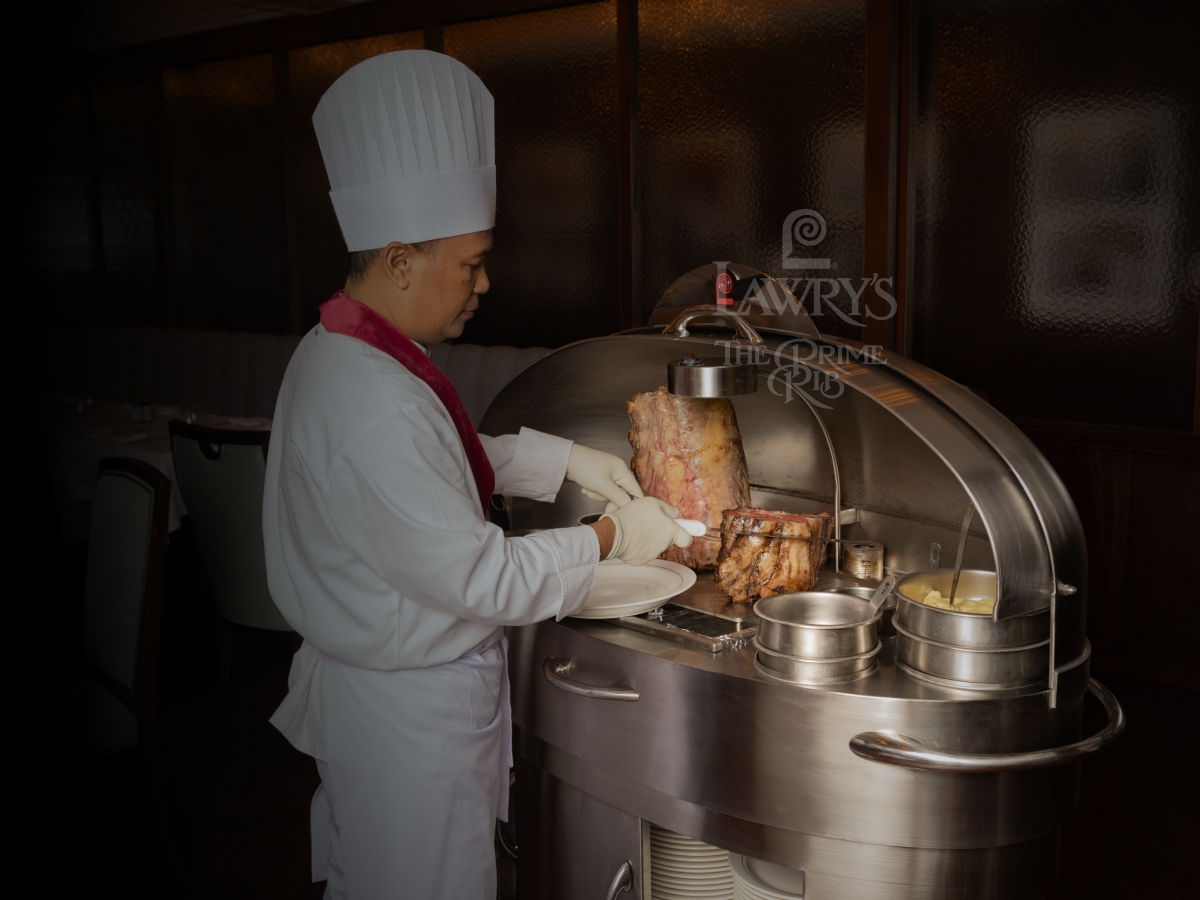
And of course, if you’d rather skip all this and let professionals handle the science, the heat, and the timing, you can always enjoy steak or prime rib in a more relaxed way. For those exploring fine dining in Jakarta, Lawry’s The Prime Rib is a great place to start, offering a polished setting for steak lovers. Browse Lawry’s menu to see what catches your eye, then book your seat and enjoy the finest steaks or prime rib in a luxurious, elegant atmosphere, no flipping debate required.
FAQ
No, flipping steak is not bad. Contrary to the popular myth, flipping more than once doesn’t prevent a good crust or proper cooking. In fact, it can help the steak cook more evenly and sometimes even more quickly.
The idea behind the one-flip rule is to leave the steak to develop a deep brown crust before flipping once to cook the other side. While this method does produce great steaks, frequent flipping has been shown to yield more evenly cooked results.
Flipping steak multiple times leads to more even doneness from edge to edge, less overcooked outer layers, a juicier center, and faster cooking time. It keeps both sides warm by trading heat, like a relay, improving overall texture.
Yes, while frequent flipping provides more overall browning, it may result in less defined grill marks, unlike the sharp cross-hatched patterns achieved with the single-flip method.
The single-flip approach suits those who favor simplicity and strong grill marks, while multi-flipping works better for those aiming for even doneness and a juicy interior. There is no one-size-fits-all; it depends on personal preference and equipment.
Reserve Table
Lawry’s Restaurants is the perfect place to begin your venue search for any occasion.