
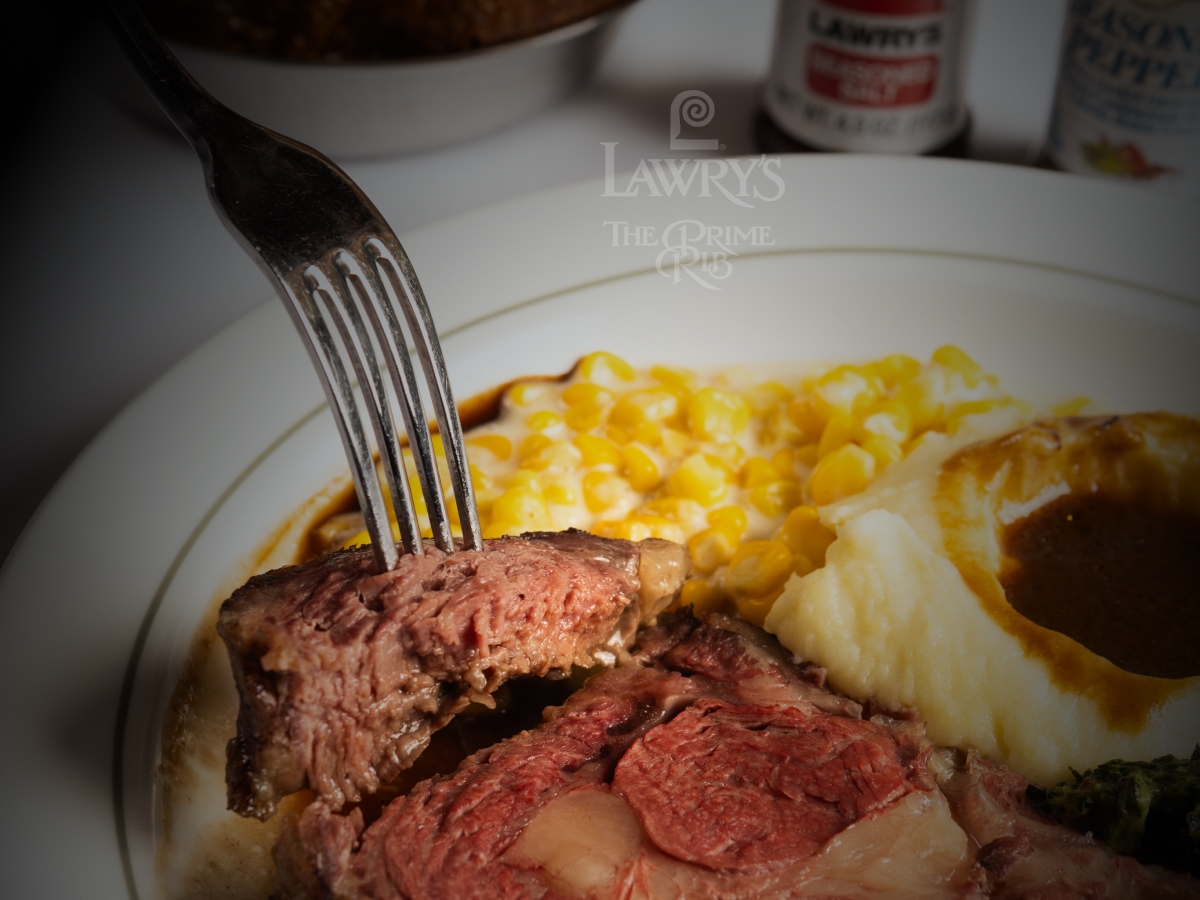
Why Dry Brining Is the Secret to the Most Flavorful Prime Rib
If you’ve ever stared down a hefty prime rib with the quiet determination of someone about to create greatness, here’s a secret that will make your life a whole lot easier. Dry brining.
It sounds like something only chefs whisper about in restaurant kitchens, but it’s actually simple, practical, and wildly effective. Even better, it’s the first step toward serving a roast so full of flavor that your guests might start applauding before you even slice it.
What Dry Brining Actually Is
Dry brining is the straightforward process of salting your meat and letting time do the rest. No buckets of liquid, no wrestling with giant plastic bags, no refrigerator real estate sacrificed to a sloshing salt bath. You simply rub salt over the prime rib and let it rest, preferably 24 to 48 hours. During that quiet downtime, magic happens. Or, well, science. But magic sounds more fun.
Why Dry Brining Works So Well
Salt draws out a bit of moisture from the meat. That moisture dissolves the salt. Then the brine moves back into the roast, seasoning it from the inside. As Chef Jean-Pierre (a James Beard nominee with more than 50 years of experience) explains, this deep absorption is why fine Kosher salt is the only salt you should reach for. The grains melt into the meat far better than coarser finishing salts, ensuring even seasoning and a deeper beefiness.
The process also dries the surface of the roast, which is exactly what you want for that irresistible Maillard browning. A dry surface equals a better crust. A better crust equals happy people at your dinner table. It’s simple math.
The Benefits of Dry Brining
Dry brining gives you:
- More flavor. Salt penetrates deeper, seasoning every bite.
- Better texture. The salt rearranges proteins so the meat can retain more moisture.
- A gorgeous crust. Dry surfaces caramelize beautifully in the oven.
- Ease. No containers of salty water tipping over inside your fridge at 2 a.m.
Think of dry brining as the low-effort, high-impact technique that politely steps in and says, “Don’t worry, I’ve got this.”
Which Cuts of Meat Work Best
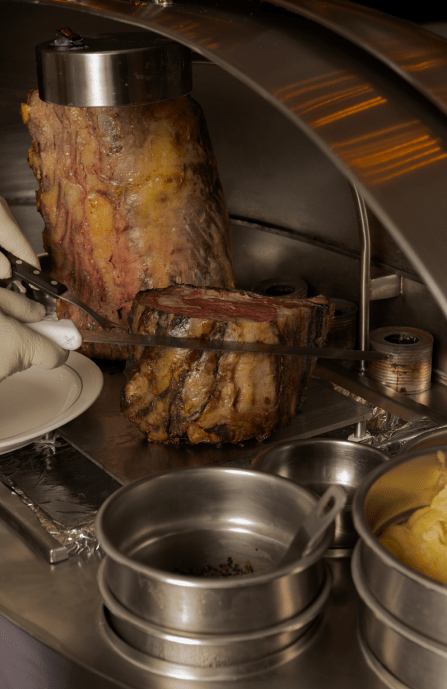
Prime rib is the star here, but not all roasts are created equal. Look for USDA Prime or Choice with generous marbling. Bone-in roasts help regulate temperature and add flavor, while boneless roasts make carving easier. Either way, aim for about one pound per person, unless you’re cooking for a group with Olympic-level appetites.
Foolproof Dry-Brining Tips
- Use fine Kosher salt. It absorbs better and distributes evenly.
- Use about 1 teaspoon per pound. No need to bury your roast under a snowdrift of salt.
- Brine for 24–48 hours. A full day is good. Two days is even better.
- Let it rest uncovered. This helps build that golden crust.
- Bring the roast to room temperature before cooking. Cold centers cook unevenly.
- Be patient after cooking. Rest the roast for 20–30 minutes so the juices settle back inside.
If you follow these steps, you’ll slice into a roast that’s juicy, tender, and seasoned all the way through, not just on the surface.
After the Brine: What Comes Next
Once your roast is ready, go with a method that suits your mood. Reverse searing gives you impressive color and steady cooking. Slow roasting keeps things hands-off and relaxed. And yes, you can even use an Instant Pot, though that might earn you a few raised eyebrows from purists. Either way, your dry-brined prime rib is already set up for success.
Or… Let Lawry’s Do the Cooking
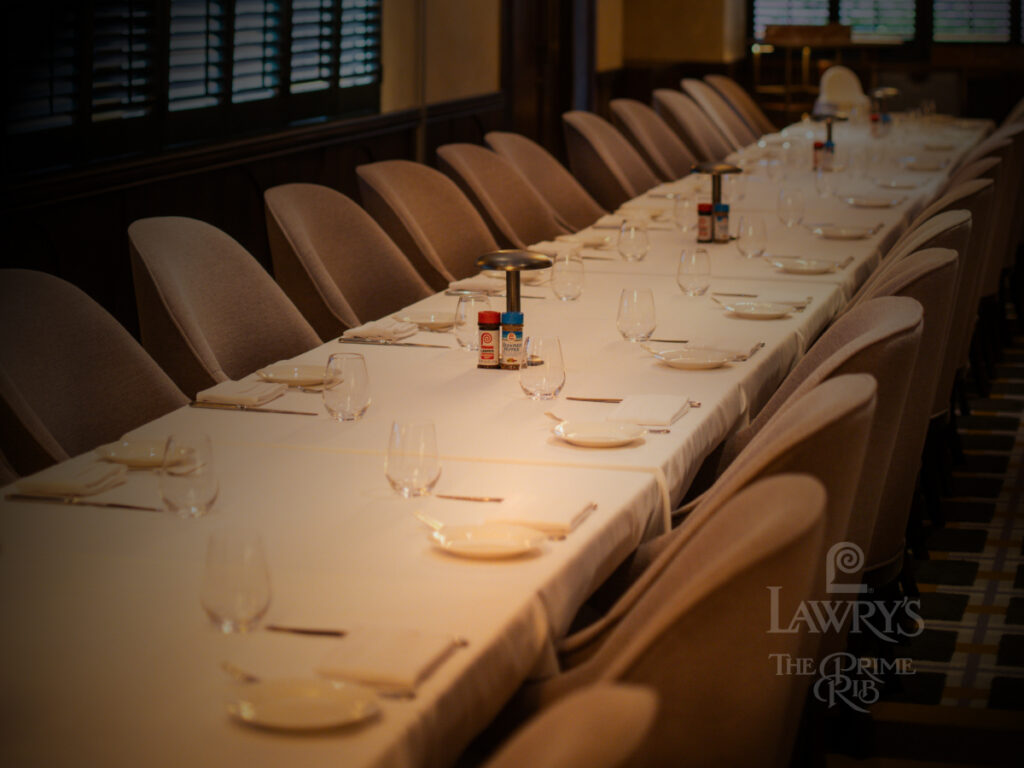
Of course, if you decide that dry brining sounds fun but actually cooking the roast sounds less fun, you can always enjoy prime rib at Lawry’s The Prime Rib Jakarta, where the dining room, service, and steaks make everything feel celebratory. Explore their offerings through their full Lawry’s menu, and simply book your seat and let the experts handle the rest.
Whether you cook it yourself or leave it to Lawry’s, dry brining is the foundation of a truly flavorful prime rib, and now you know the secret.
FAQ
Dry brining is the process of salting your meat and allowing it to rest for 24 to 48 hours. This method enhances flavor by allowing the salt to penetrate the meat deeply, resulting in a well-seasoned roast.
Dry brining works effectively because salt draws out moisture from the meat, dissolves in it, and then reabsorbs into the roast, seasoning it from the inside. The process also dries the surface of the roast, which helps create a better crust during cooking.
Dry brining enhances flavor by deeply seasoning the meat, improves texture by rearranging proteins, and helps create a gorgeous crust due to the dry surface. It's also easy since it eliminates the need for containers of salty liquid.
Prime rib is ideal for dry brining, especially cuts with generous marbling such as USDA Prime or Choice. Both bone-in and boneless roasts work well, depending on your preference for flavor regulation or ease of carving.
After dry brining, choose a cooking method that suits your style, such as reverse searing or slow roasting. Just ensure your roast comes to room temperature before cooking and rests after cooking for the best results.
Reserve Table
Lawry’s Restaurants is the perfect place to begin your venue search for any occasion.