Butter Basting Steak: Why Chefs Love It (and When It Can Go Wrong)
If you’ve ever watched a chef at work, you’ll know the moment. A sizzling pan, a steak crackling away, and then, the show—where a generous spoonful of butter tipped over the meat in a golden cascade. The aroma hits first. It is nutty, rich, and a little intoxicating. This is butter basting, a technique that feels almost too simple to be the secret behind some of the juiciest steaks you’ll ever eat. Yet, it’s precisely this ritual of spooning foaming butter over a seared steak that transforms it from good to unforgettable.
Table of Contents
ToggleWhy Butter-Basting Works
At its core, butter basting is a finishing technique, not the main cooking method. The steak is first seared in a bare pan or with a neutral high-smoke-point oil, locking in that essential crust through the Maillard reaction. Once the meat approaches its target doneness, butter is introduced to the pan. As it foams, it begins to brown, developing complex, nutty flavors. By tilting the pan and repeatedly spooning the bubbling fat over the steak, you both infuse flavor and baste the surface in sizzling fat that deepens the crust.
This process balances indulgence with precision. The butter doesn’t simply coat the surface, it carries aromatics like garlic, rosemary, and thyme, seeping into the meat and amplifying its succulence. Properly done, the result is a steak that feels both decadent and perfectly judged: a golden crust that yields to a tender, juicy center.
The Advantages and Disadvantages of Butter Basting
Butter-basting offers distinct benefits for enhancing a steak’s flavor and texture. The primary advantage lies in the direct infusion of richness and aromatic compounds into the meat. As the steak cooks, the melted butter, especially when combined with herbs and garlic, permeates the exterior, adding layers of savory depth that are otherwise difficult to achieve. This method also contributes to a more tender and juicy final product by continuously moistening the surface, helping to prevent it from drying out during the final stages of cooking.
Additionally, the browning of the butter itself introduces complex, nutty notes that complement the steak’s natural flavors. For those keen on presentation, the technique also imparts a visually appealing, glossy finish to the crust.
However, butter-basting also presents several challenges. A significant disadvantage is the potential for burning the butter if not managed correctly. Butter has a lower smoke point than many cooking oils, and if the pan is too hot or the basting prolonged, the milk solids in the butter can burn, resulting in a bitter, unpleasant taste. This also means that butter-basting is generally not suitable for the entire cooking process, requiring an initial sear with a different fat.
Furthermore, the technique adds a considerable amount of fat and calories to the dish, which might be a concern for some diners. It also creates a fair amount of smoke, necessitating good ventilation and making it less ideal for home kitchens without proper extraction. Controlling the heat and timing precisely is crucial, as errors can easily lead to a greasy steak or a scorched pan.
The Common Mistakes to Avoid
For all its simplicity, butter basting is easy to get wrong at home. Here are the pitfalls to sidestep if you want to nail the perfect butter basted steak:
1. Adding butter too early – Butter burns quickly. Start basting only when the steak is 10–15°C shy of its final temperature. That way the butter browns without turning bitter.
2. Using the wrong butter – Regular butter’s low smoke point can spoil the process. Clarified butter (or ghee) withstands higher heat, making it ideal for sustained basting.
3. Keeping the pan too cool – Butter must sizzle aggressively so its water content evaporates, leaving pure fat to sear the surface. Without high heat, the crust turns soggy.
4. Improper spooning – Safety and efficiency lie in tilting the pan at about 35 degrees and spooning the butter upward and over the steak. This keeps control while evenly distributing flavor.
5. Choosing the wrong cut – Thin steaks cook too fast for butter to work its magic. Instead, select thicker cuts like ribeye, strip, or filet. They allow enough time to build crust without overcooking the interior.
6. Skipping aromatics – A handful of thyme, rosemary, or crushed garlic cloves transforms the butter from simple fat into a complex, fragrant basting medium.
The Professional Touch
Even with the best intentions, replicating a restaurant-quality butter basted steak at home can be daunting. Professional kitchens are equipped with blazing burners, powerful ventilation, and chefs who know exactly how to balance heat and timing. That’s why, for those who want to experience the pinnacle of this method without the stress (or the smoke alarms) there’s no better option than indulging in fine dining Jakarta has to offer.
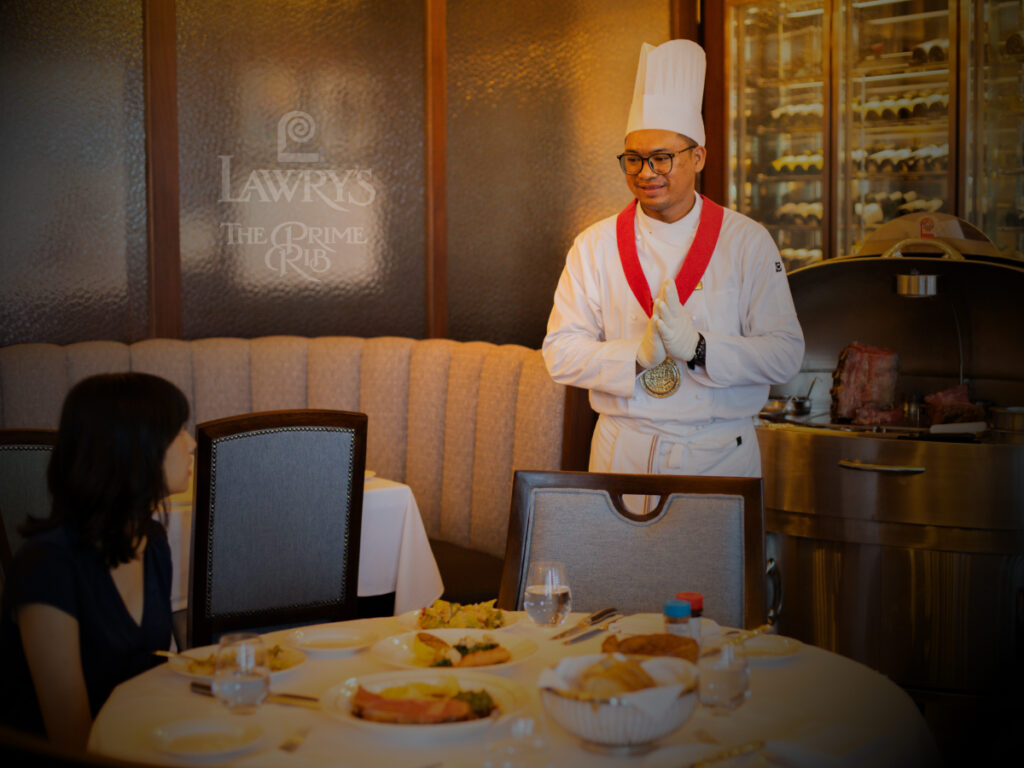
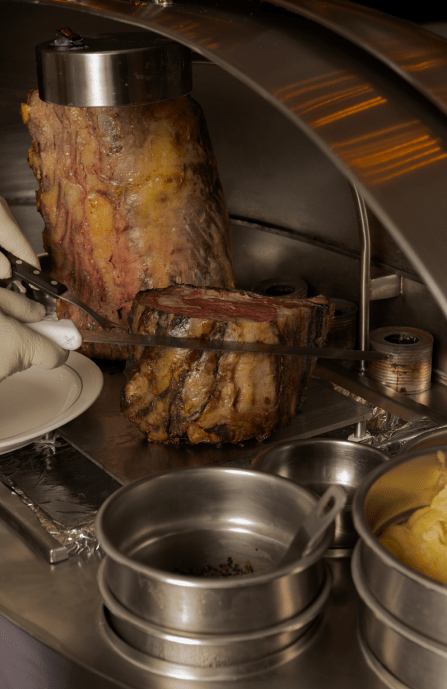
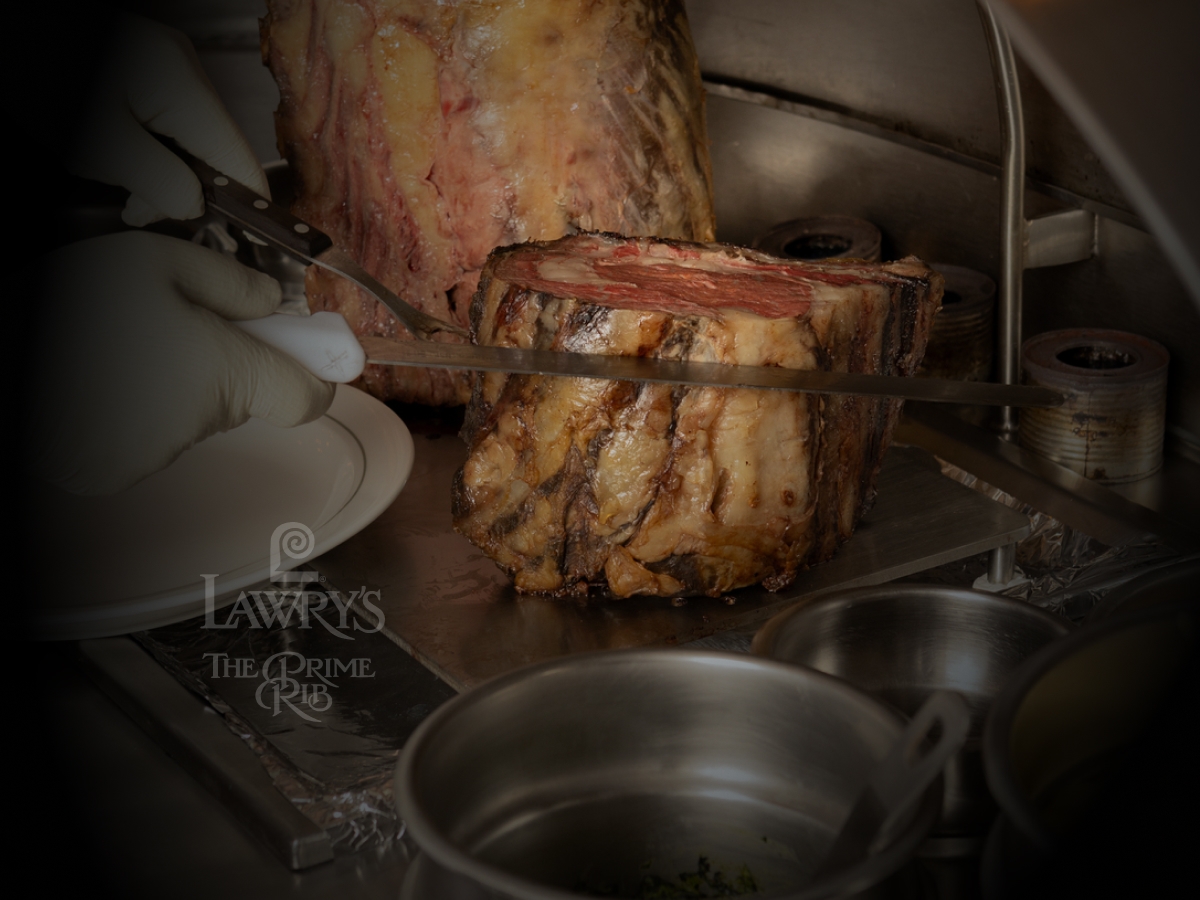
At Lawry’s The Prime Rib Jakarta, steak lovers can savour the ultimate expression of this technique, alongside the house specialty: slow-roasted prime rib carved tableside. Browse the full Lawry’s menu to discover why the restaurant has earned its reputation for excellence, from butter-basted steak to indulgent sides and classic desserts. Ready to elevate your dining experience? Book your seat and enjoy a fine dining journey where tradition meets perfection.
Butter Basting pada Steik: Mengapa Chef Menyukainya (dan Kapan Teknik Ini Bisa Gagal)
Kalau kamu pernah memperhatikan seorang chef memasak, pasti familiar dengan momen ini. Wajan panas berdesis, steik dipanggang hingga terdengar renyah sempurna, lalu tibalah saat yang ditunggu, sesendok penuh mentega dituangkan ke atas daging, mengalir seperti emas cair. Aromanya langsung menyergap: gurih, kaya, dan sedikit membuat ketagihan. Inilah butter-basting, teknik yang terlihat sederhana tapi ternyata menjadi rahasia di balik steik paling juicy yang bisa kamu nikmati. Justru ritual sederhana menyiram steik panas dengan mentega berbuih inilah yang membuatnya naik kelas, dari sekadar enak menjadi benar-benar tak terlupakan.
Intinya, butter-basting bukan metode utama memasak, melainkan teknik penyempurna di akhir. Steik lebih dulu dipanggang di wajan kosong atau dengan sedikit minyak netral yang tahan panas tinggi, membentuk kerak keemasan lewat reaksi Maillard. Setelah daging hampir mencapai tingkat kematangan yang diinginkan, barulah mentega masuk ke wajan. Saat mulai berbuih dan kecokelatan, rasa gurih dan aroma kacang yang kompleks pun muncul. Dengan sedikit memiringkan wajan lalu terus-menerus menyendokkan lelehan mentega panas ke atas steik, rasa meresap sekaligus membentuk lapisan garing yang semakin dalam.
Proses ini menghadirkan keseimbangan antara indulgence dan presisi. Mentega bukan hanya melapisi permukaan, tapi juga membawa aroma bawang putih, rosemary, atau thyme, meresap ke dalam daging dan menambah kelembutannya. Hasil akhirnya? Steik dengan kerak keemasan renyah, yang begitu dipotong langsung menyingkap bagian tengah yang lembut dan juicy.
Kelebihan dan Kekurangan Butter Basting
Butter basting menawarkan sejumlah manfaat dalam meningkatkan rasa dan tekstur steik. Keunggulan utamanya terletak pada kemampuannya memperkaya cita rasa dan aroma daging secara langsung saat dimasak. Saat steik dimasak, mentega yang meleleh—terutama ketika dipadukan dengan rempah rempah seperti thyme atau rosemary serta bawang putih—melapisi permukaan daging dan menambahkan lapisan rasa gurih yang sulit dicapai hanya dengan teknik searing biasa.
Teknik ini juga membantu menghasilkan steik yang lebih lembut dan juicy, karena permukaan daging terus dibasahi oleh lemak panas selama tahap akhir memasak. Proses ini membantu mencegah daging menjadi kering. Selain itu, ketika mentega mulai berwarna cokelat, ia menghasilkan aroma nutty yang kompleks yang memperkaya cita rasa alami daging sapi. Dari sisi tampilan, butter basting juga memberikan kilau menggiurkan pada permukaan steik, sehingga terlihat lebih menggoda saat disajikan.
Namun, butter basting juga memiliki beberapa tantangan. Salah satu kekurangannya adalah risiko mentega mudah gosong jika tekniknya tidak dilakukan dengan benar. Mentega tidak terlalu tahan panas jika dibandingkan dengan minyak masak lainnya. Jika wajan terlalu panas atau proses basting berlangsung terlalu lama, padatan susu dalam mentega dapat terbakar dan menghasilkan rasa pahit yang tidak diinginkan.
Karena alasan ini, butter basting biasanya tidak digunakan sejak awal proses memasak. Steik umumnya perlu disear terlebih dahulu menggunakan minyak dengan titik asap tinggi sebelum mentega ditambahkan pada tahap akhir.
Selain itu, teknik ini juga menambahkan cukup banyak lemak dan kalori pada hidangan, yang mungkin menjadi pertimbangan bagi sebagian orang. Prosesnya juga dapat menghasilkan asap yang cukup banyak, sehingga membutuhkan ventilasi dapur yang baik dan kadang kurang ideal untuk dapur rumah tanpa sistem pembuangan asap yang memadai.
Mengontrol suhu dan waktu memasak dengan tepat menjadi kunci utama, karena kesalahan kecil dapat menyebabkan steik menjadi terlalu berminyak atau bahkan membuat wajan menjadi gosong.
Kesalahan yang Sering Terjadi
Meski terlihat mudah, butter-basting gampang salah kalau dilakukan di rumah. Berikut beberapa hal yang perlu dihindari agar hasilnya sempurna:
1. Menambahkan mentega terlalu cepat – Mentega cepat gosong. Mulailah butter-basting hanya saat suhu daging masih sekitar 10–15°C di bawah target akhir. Dengan begitu, mentega bisa kecokelatan tanpa pahit.
2. Memakai mentega biasa – Titik asap mentega biasa rendah, mudah terbakar. Gunakan mentega jernih (clarified butter/ghee) yang tahan panas lebih lama, ideal untuk proses basting.
3. Wajan kurang panas – Mentega harus mendesis kuat agar kadar airnya hilang dan tersisa lemak murni untuk menyempurnakan permukaan steik. Kalau api kurang tinggi, kerak jadi lembek.
4. Teknik menyendok yang salah – Miringkan wajan sekitar 35 derajat, lalu sendokkan mentega ke atas steik. Cara ini menjaga kontrol sekaligus memastikan rasa merata.
5. Potongan daging yang salah – Steik tipis terlalu cepat matang, mentega tak sempat bekerja. Pilih potongan tebal seperti ribeye, strip, atau filet agar punya cukup waktu membentuk kerak tanpa overcooked.
6. Melewatkan aromatik – Tambahan rosemary, thyme, atau bawang putih geprek akan mengubah mentega biasa jadi medium basting yang kaya rasa dan wangi.
Sentuhan Profesional
Meski dengan niat terbaik, membuat steik ala restoran di rumah tetap menantang. Dapur profesional dilengkapi kompor super panas, ventilasi kuat, dan chef yang paham benar cara menjaga keseimbangan panas dan waktu. Karena itu, kalau ingin merasakan puncak teknik butter-basting tanpa ribet (atau tanpa alarm asap rumah berbunyi), pilihan terbaik adalah menikmati fine dining Jakarta.
Di Lawry’s The Prime Rib Jakarta, para pecinta steik bisa menyantap hasil sempurna dari teknik ini, berdampingan dengan menu andalan rumah: prime rib yang dipanggang perlahan lalu diiris langsung di meja. Jelajahi Lawry’s menu untuk menemukan kenapa restoran ini begitu legendaris, dari steik butter-basted, hidangan pendamping mewah, hingga dessert klasik. Siap untuk pengalaman bersantap yang lebih tinggi? Pesan tempatmu dan nikmati perjalanan kuliner di mana tradisi bertemu kesempurnaan.
FAQ
Butter-basting is a finishing technique used in cooking steak where foaming butter is spooned over a seared steak. This method enhances flavor, adds a rich, nutty taste, and keeps the steak juicy and tender.
Avoid adding butter too early, using regular low smoke-point butter, keeping the pan too cool, improper spooning techniques, choosing thin cuts of steak, and skipping aromatics like thyme or garlic.
Clarified butter, or ghee, withstands higher heat due to its higher smoke point, making it ideal for butter-basting without burning or turning bitter.
Thicker cuts like ribeye, strip, or filet are best for butter-basting as they allow enough time to develop a crust without overcooking the interior.
To savor a professionally prepared butter-basted steak, visit Lawry’s The Prime Rib Jakarta, which offers expertly cooked steaks alongside their house specialty: slow-roasted prime rib.
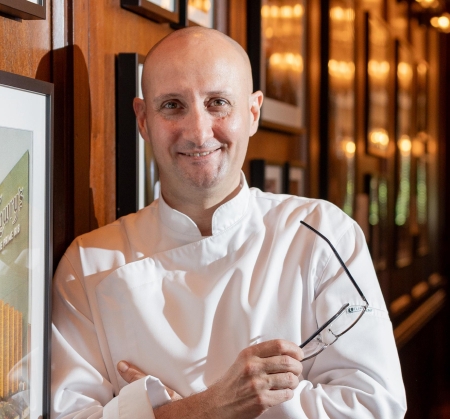
I am Chef Camille, Executive Chef at Lawry’s Jakarta, bringing 30 years of expertise from Michelin-starred kitchens in France and our Beverly Hills original to your table. I am dedicated to preserving the iconic flavors and service standards that have defined Lawry’s since 1938. I personally review every article published here to ensure our content remains true to our mission of culinary excellence.
Reserve Table
Lawry’s Restaurants is the perfect place to begin your venue search for any occasion.
Related Blog
Based on What You Read
How to Host an Exquisite Garden Party Without the Stress
Iconic Places You Should Visit In Jakarta