
Is Steak Healthy? What Nutritionists Actually Say About Eating Beef
Yes, steak can be part of a healthy diet. It supplies complete protein, highly bioavailable heme iron, zinc, phosphorus, vitamin B12, and several other B vitamins. The useful answer, however, depends on three things: the cut you choose, the portion on your plate, and how often steak appears in your week. A lean serving eaten alongside vegetables has a very different nutritional profile from an oversized, heavily charred steak served with rich sides. Here is a closer look at what steak contributes and where moderation becomes important.
What Nutrition Does Steak Provide?
Beef contains complete protein, meaning it provides all nine essential amino acids the body cannot make on its own. Protein supports muscle maintenance, tissue repair, and the production of enzymes and hormones.
Steak is also a source of heme iron, which the body absorbs more efficiently than nonheme iron from plant foods. Iron is needed to make hemoglobin, the protein that transports oxygen through the blood. Vitamin B12 supports healthy blood and nerve cells, while zinc contributes to immune function, cell growth, and wound healing. Phosphorus helps maintain bones and teeth and plays a role in energy use. These nutrients make steak a compact, nutrient-dense food. They do not make portion size irrelevant.
Is Steak Good for You or Bad for You?
Nutrition research does not reduce steak to a simple “good” or “bad” label. Higher consumption of red meat has been associated in some studies with cardiovascular disease, type 2 diabetes, and colorectal cancer. The American Institute for Cancer Research advises limiting cooked red meat to about 12 to 18 ounces per week and eating little, if any, processed meat.
The distinction between unprocessed and processed meat deserves attention. A 2021 study following participants in 21 countries found no significant association between unprocessed red meat intake and major cardiovascular disease or mortality, while processed meat showed a positive association. Other large reviews have found elevated cardiovascular risk with both categories, although the association is generally stronger for processed meat. The evidence therefore supports restraint, variety, and attention to the full dietary pattern rather than panic over an occasional steak.
Does Beef Quality Change the Nutrition?
Quality standards can improve consistency, tenderness, and eating experience, but they should not be confused with a health certification. Certified Angus Beef, for example, must meet ten quality specifications, including at least modest marbling. Marbling contributes flavor and tenderness, while also increasing fat and calories.
Fat composition can vary by breed, feed, and cut. Research on Wagyu has found a greater proportion of monounsaturated fat, including oleic acid, than in some conventional beef comparisons. Exact percentages vary considerably, and a higher oleic-acid share does not cancel the effect of a large portion or high total saturated-fat intake.
Processed meats remain a separate category because curing, smoking, salting, and preservatives change both the product and its health profile.
Which Steak Is the Healthiest?
Tenderloin, top sirloin, eye of round, top round, and flank steak are generally leaner choices. They provide substantial protein with less total and saturated fat than heavily marbled cuts such as ribeye.
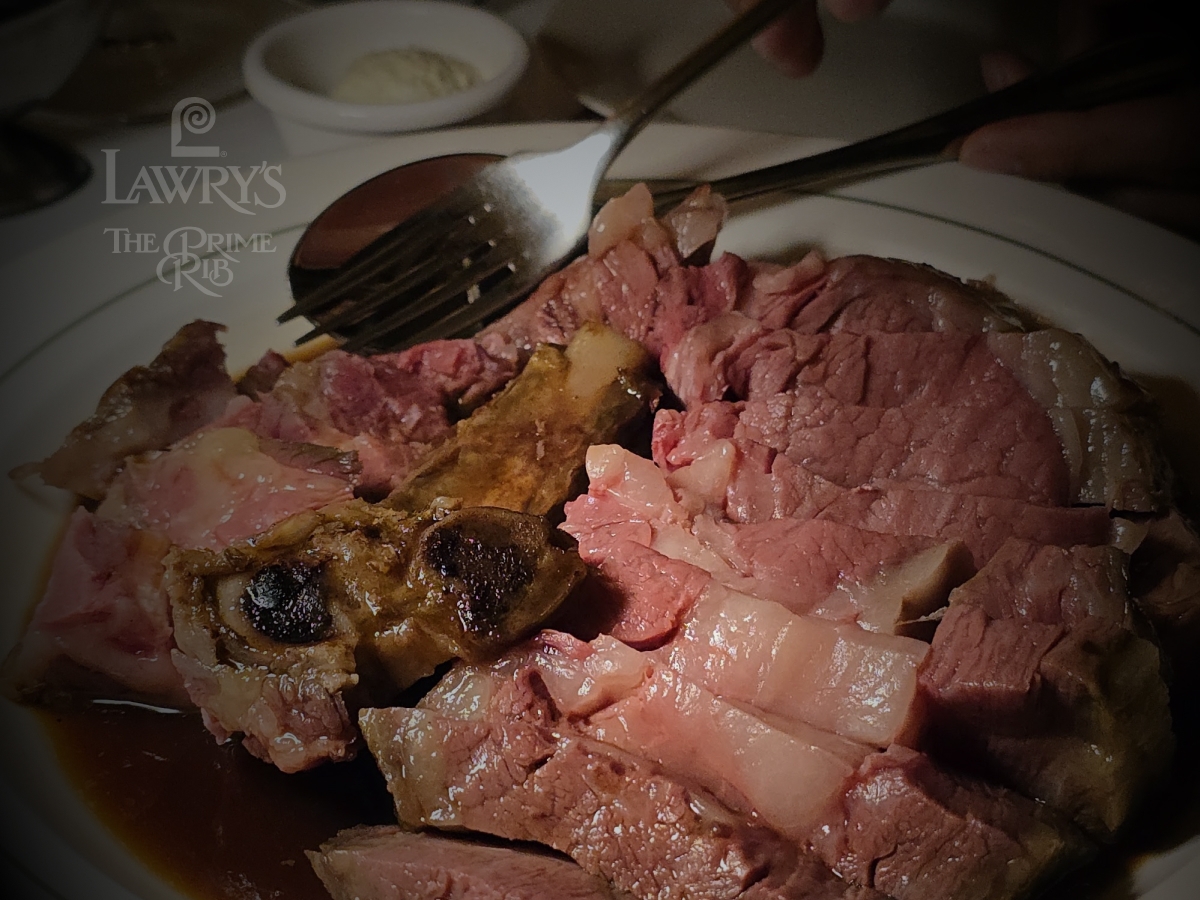
Ribeye and prime rib still provide protein, iron, zinc, and vitamin B12. They simply call for more attention to serving size. Readers comparing cuts can consult Lawry’s guide to the healthiest steak cuts. A balanced plate also makes a difference! You can pair steak with vegetables, choose lighter sides, trim excess exterior fat when appropriate, and avoid burning the surface during high-heat cooking.
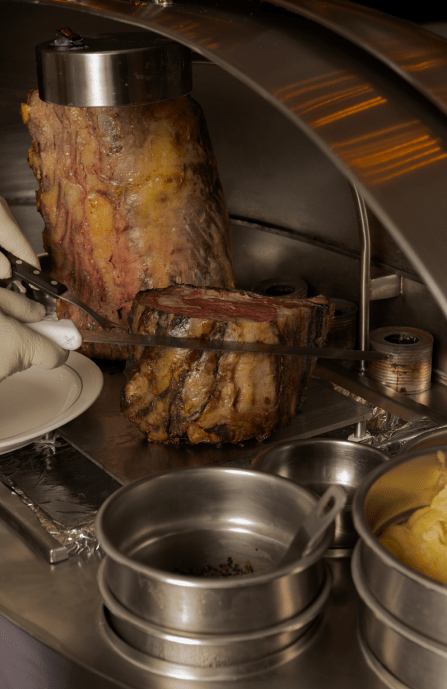
At Lawry’s, prime rib is prepared with Certified Angus Beef and offered in several serving sizes, beginning with the 170-gram Jakarta Cut. Diners exploring fine dining Jakarta can review Lawry’s menu, choose a portion that suits their appetite, and book your seat for a considered approach to enjoying prime rib.

Reserve Table
Lawry’s Restaurants is the perfect place to begin your venue search for any occasion.