
Certified Angus Beef vs. Wagyu: Which One Reigns Supreme for Your Palate?
Choosing beef at a fine dining restaurant can be surprisingly tricky. The menu presents two premium names, Certified Angus Beef and Wagyu, and both come with strong reputations. One is associated with classic steakhouses and deep beef flavour. The other is known for dense marbling and a softer, richer finish. The more useful question is not which one sounds more impressive, but which one suits your taste better.
What is Certified Angus Beef, and What Makes It Special?
Certified Angus Beef begins with Aberdeen Angus cattle, a breed developed in Scotland and later embraced by the American beef industry for its consistency, muscle structure, and reliable carcass quality. Angus is known for a strong balance of muscle and fat, and that shows clearly once it reaches the plate. It produces beef with a firmer bite, a more structured texture, and a flavour profile that reads as distinctly beefy rather than primarily fatty. Even when well marbled, Angus usually comes across as robust and savoury first. That is exactly why it became such a classic steakhouse standard. It performs well under roasting, grilling, smoking, and dry-ageing, and it keeps its character across all of them.
What is Wagyu, and Why is the Marbling Different?
Wagyu comes from Japan and follows a very different logic. The breed’s genetic distinction lies in its capacity for intense intramuscular marbling, developed through lineage selection and specialized rearing over a much longer finishing period. That marbling is finer, denser, and more evenly distributed than what Angus typically produces. The result is a different sensory experience from the start. Wagyu feels softer on the palate, its fat melts at a lower temperature, and the flavor leans buttery, rich, and umami-driven. It is less about a pronounced “beef” punch and more about texture, fat quality, and the way richness spreads across the mouth in a very controlled way.
Why Preparation and Technique Matter Just as Much
This difference is often reduced to marbling alone, even though breed is only part of the picture. Processing matters. Aging matters. Cooking method matters. Angus responds especially well to roasting and high-heat cooking because its firmer muscle structure and balanced fat content can take more assertive treatment. Wagyu usually demands more restraint. Too much heat can cause its defining marbling to render too quickly. The chef’s role becomes critical here. A premium cut can still be mishandled, while a well-trained kitchen can draw out the best of either breed through temperature control, slicing, resting, and seasoning decisions.
Even atmosphere plays a part. Beef does not exist in isolation once it reaches the table. The service rhythm, the pacing of the meal, and the way the dish is presented all shape perception. A classic steakhouse environment tends to favor Angus because the breed’s flavor profile aligns with the structure of a traditional roast or carved service, substantial, savoury, and satisfying across a full portion. Wagyu often works best in smaller servings where guests can focus more closely on texture and richness.
Angus Beef vs Wagyu: Making the Right Choice for Your Palate
For readers deciding between the two, the most useful guide is personal preference. If you want richness, softness, and intense marbling that melts into the bite, Wagyu is the clear direction. If you want a stronger beef-forward flavor, more chew, and a larger-format steakhouse experience, Angus makes more sense. Neither is better. They simply answer different cravings. One emphasizes luxury through fat. The other emphasizes depth through meat.
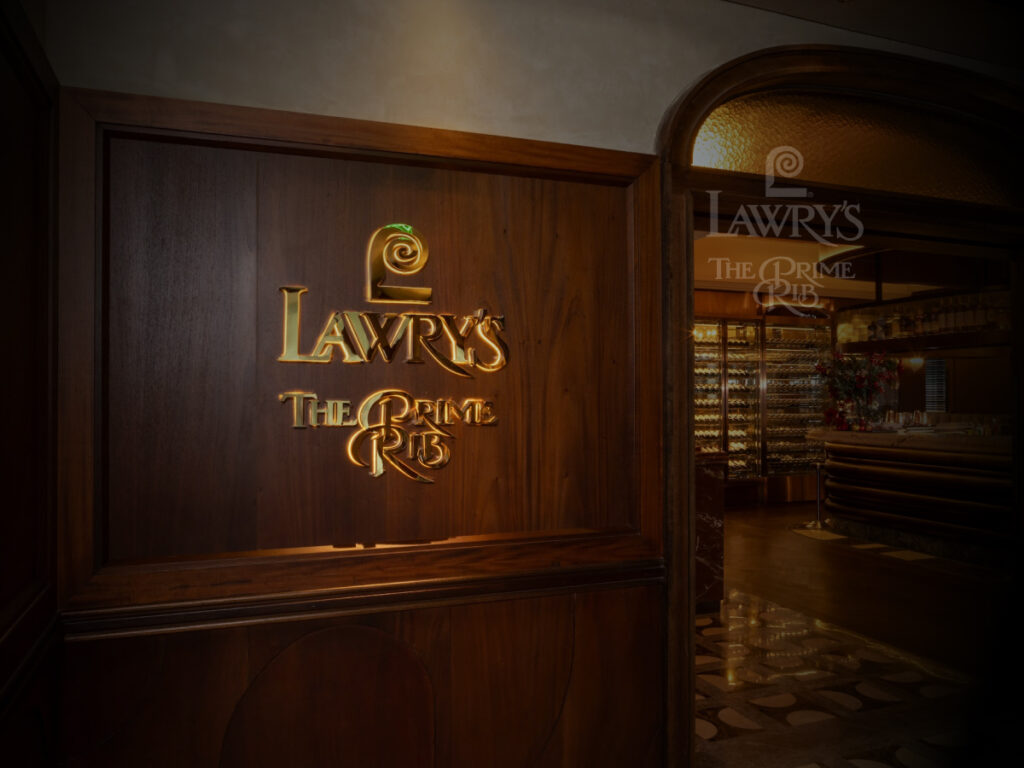
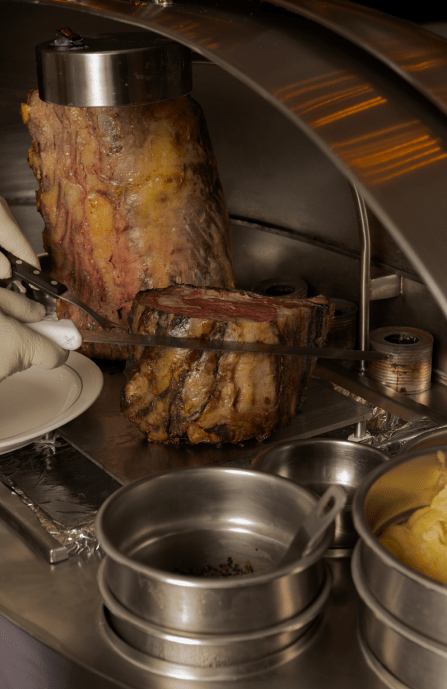
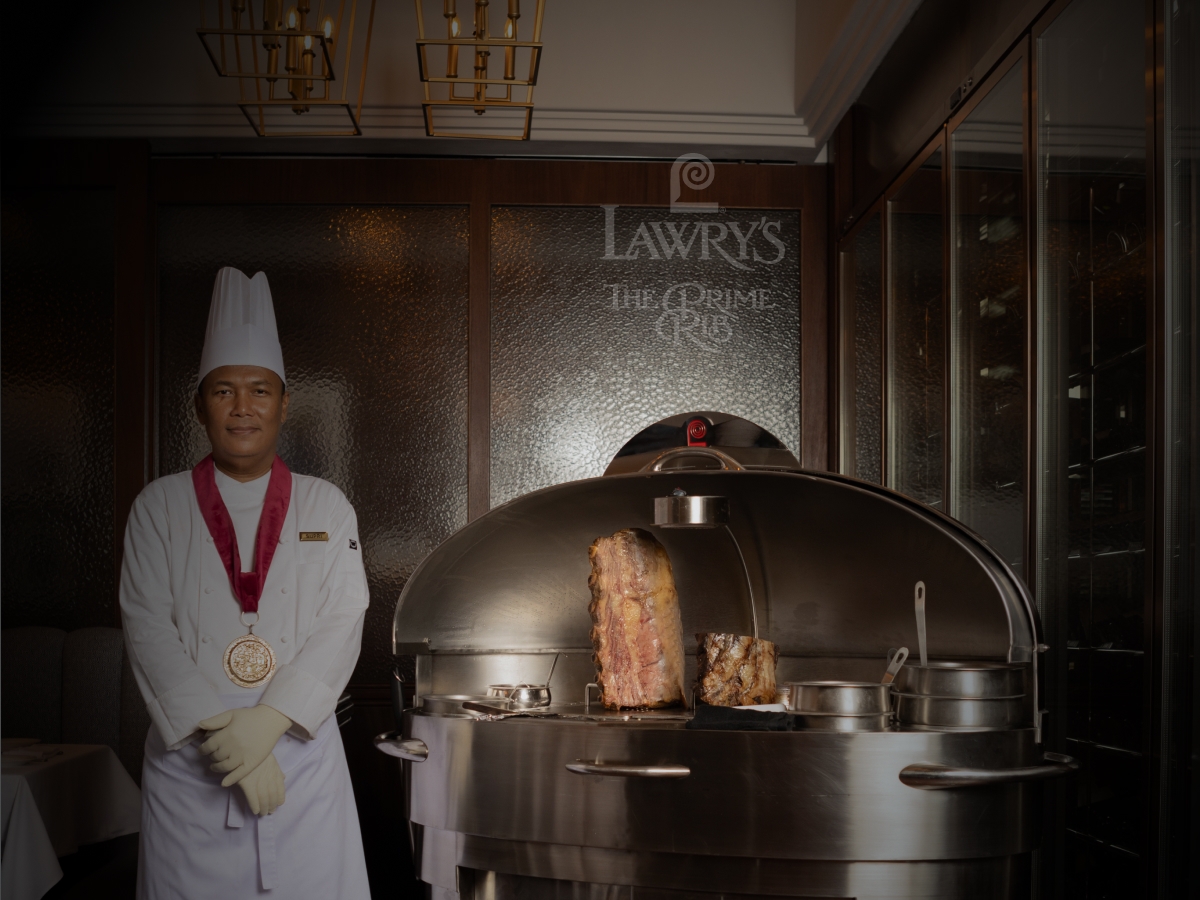
For diners exploring fine dining Jakarta, Lawry’s offers a compelling case for the Angus side of that equation. Its prime rib is built around slow-roasted Certified Angus Beef, a format that suits the breed’s strengths especially well. You can browse Lawry’s menu to see how that tradition appears on the plate, then book your seat if you want to try prime rib that leans into beefiness, structure, and the kind of steakhouse character Angus has carried for generations.
FAQ
It comes down to texture and fat. Wagyu is famous for intense, fine marbling that creates a soft, buttery, "melt-in-your-mouth" feel. Certified Angus Beef offers a more structured, firmer bite with a deeper, more robust beef flavor that stays consistent even when roasted.
Certified Angus Beef is the classic choice. Its firmer muscle structure and savory depth make it ideal for larger portions, like a slow-roasted prime rib. Wagyu’s extreme richness often works best in smaller, controlled servings where the focus is on the quality of the fat.
Definitely. Angus can handle more assertive heat and roasting, which helps develop its savory crust. Wagyu requires more restraint; too much heat can cause its delicate marbling to melt away too quickly, losing the very richness that makes it special.
It depends on what you are craving. If you want a soft, luxurious texture that leans into umami and fat, go for Wagyu. If you prefer a deep, meat-forward flavor and a satisfying chew that feels like a traditional roast, Certified Angus Beef is the way to go.

Reserve Table
Lawry’s Restaurants is the perfect place to begin your venue search for any occasion.